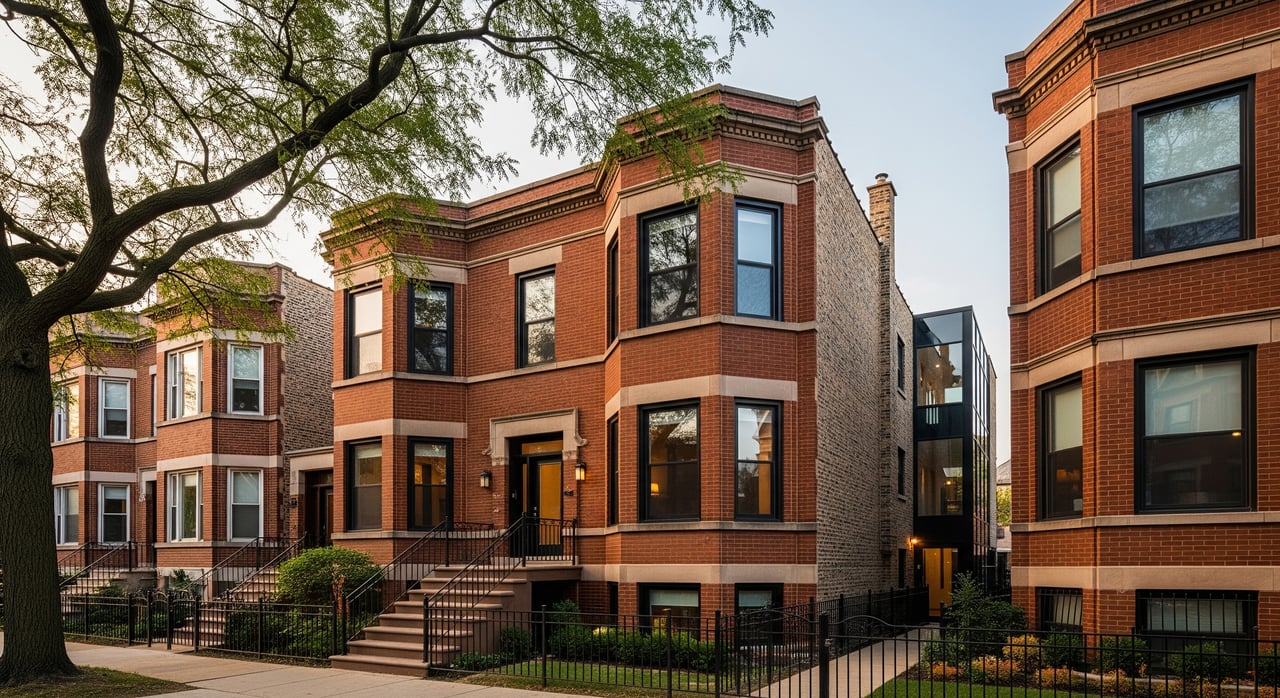
Thinking about buying in North Center but unsure how far your budget will go or how competitive it feels right now? You are not alone. Many buyers love this north-side pocket for its residential feel, neighborhood storefronts, parks, and proximity to Lakeview and Lincoln Square, yet they want clear guidance before they act. In this snapshot, you will learn what types of homes you can buy, how to read the local market, how North Center compares to nearby areas, and how to craft a strong, safe offer. Let’s dive in.
Quick market snapshot for buyers
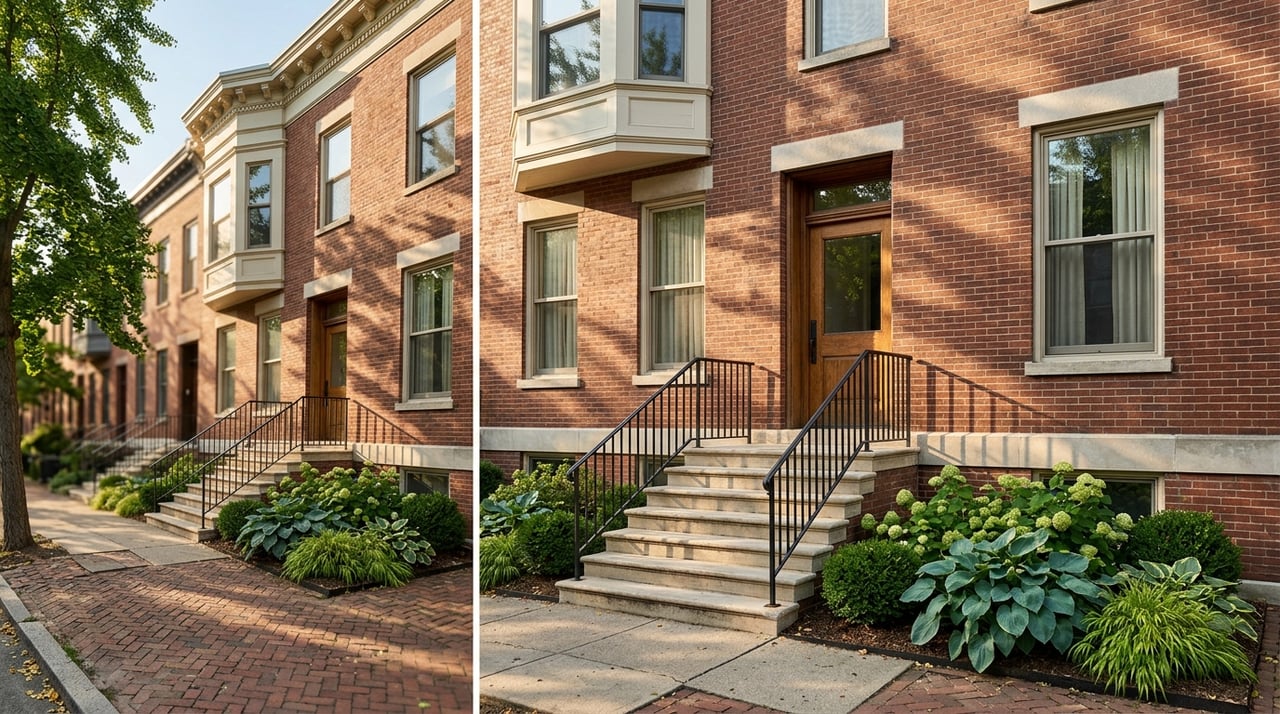
North Center is a predominantly residential community with a mix of vintage multi-unit buildings, low to mid-rise condos, brick rowhouses, and single-family homes. To understand conditions at the moment you shop, watch these signals:
- Months of supply. Under about 3 months often points to a seller’s market. Three to six months is more balanced. Over 6 months gives buyers more leverage.
- Days on market. Falling days on market suggests faster-selling homes and more competition. Rising days on market points to more negotiating room.
- Sale-to-list ratio and the share sold above list. Higher ratios and more properties selling above asking can mean you should prepare competitive terms.
- New listings versus withdrawals. More new listings and fewer withdrawals hint at improving selection. The opposite can signal tight supply.
For timely stats, review community-area trends from the Chicago Association of REALTORS market stats, and confirm the boundary you are using with the City’s official map of community areas on the Chicago Data Portal.
What you can buy in North Center
Inventory shifts month to month, but you will typically see the following property types across Northcenter, Roscoe Village, and St. Ben’s pockets:
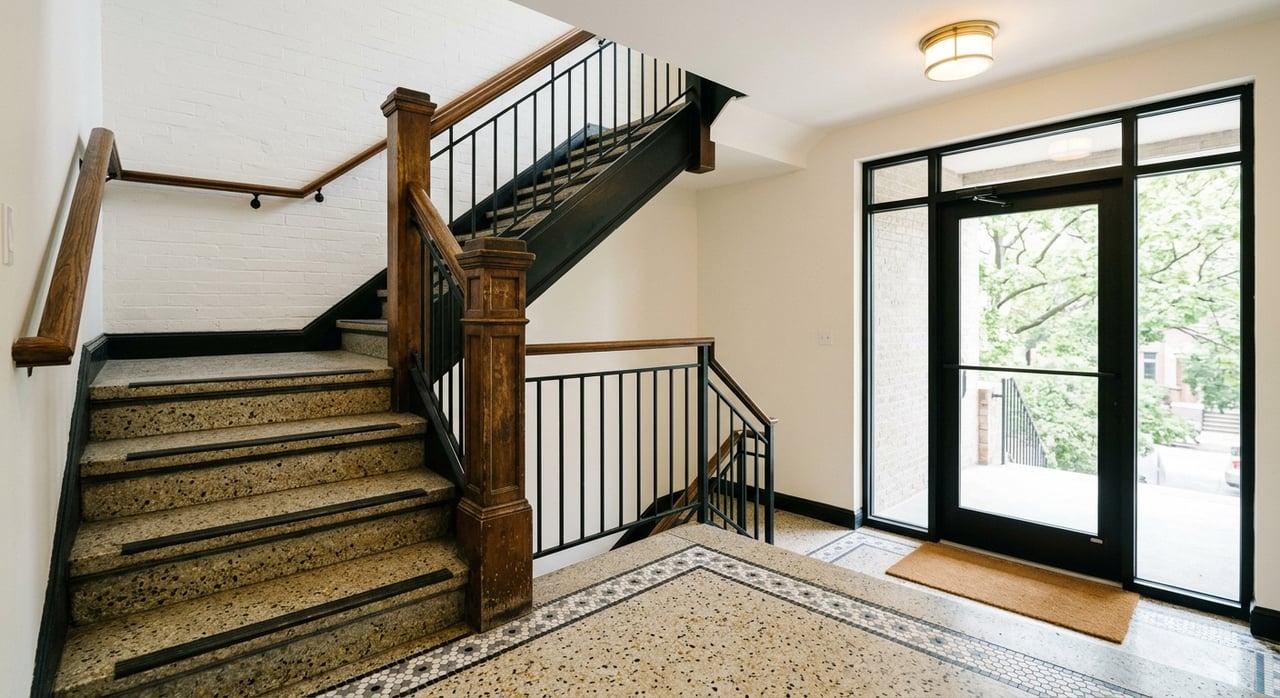
- Entry-level condos. Studio and 1-bedroom homes in vintage walk-ups or smaller mid-rise buildings. These can be efficient footprints with manageable HOA dues.
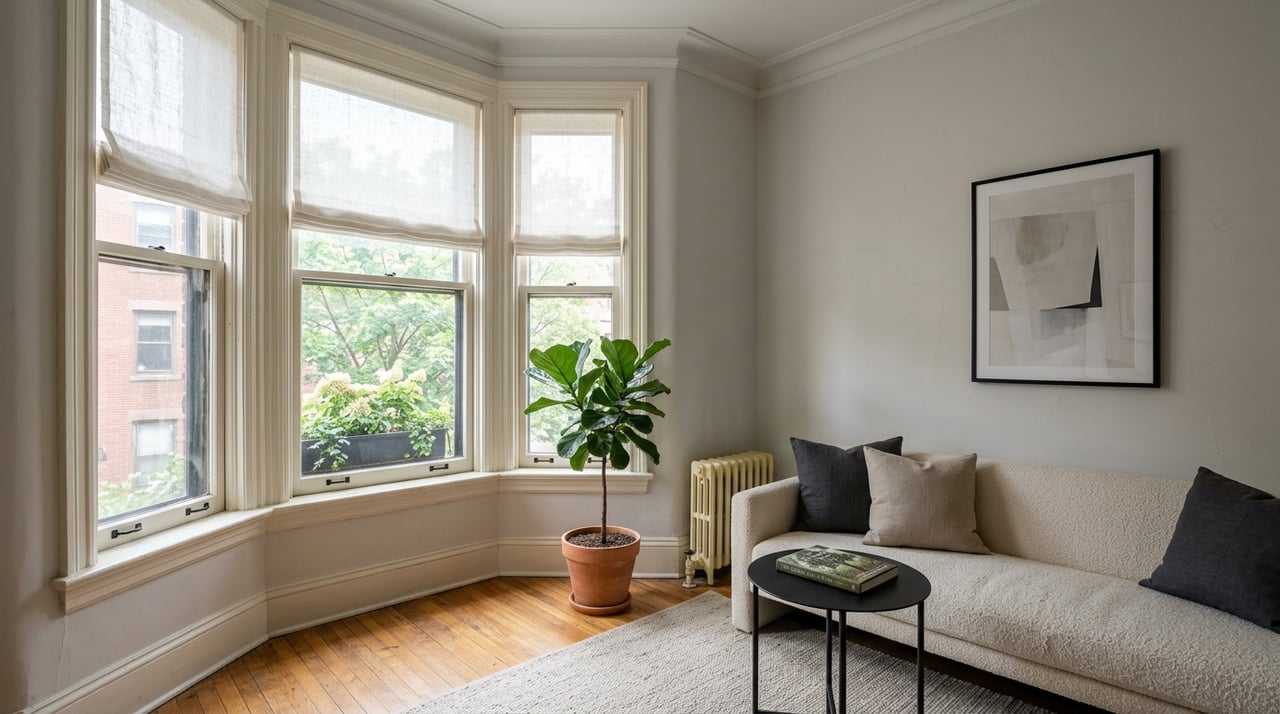
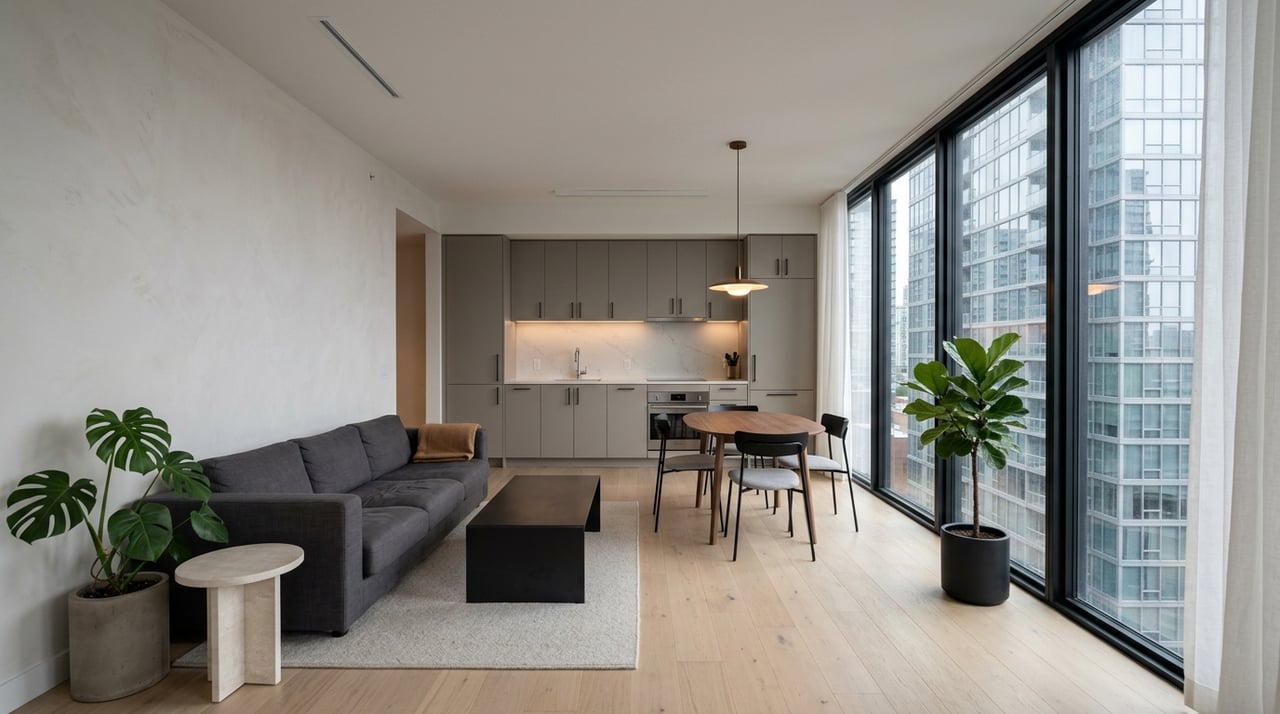
- Two-bedroom condos. The most common option for many buyers, ranging from vintage units with character to newer construction with open layouts.
- Townhouse or rowhouse-style condos. Multi-level living with private entries and attached garages in some complexes.
- Single-family homes. From modest, updated frame or brick houses to larger renovated or new-build homes with modern systems and expanded layouts.
- 2–3 unit buildings. Opportunities for buyers who want rental income or multigenerational living. These often sit on wider lots compared with denser neighborhoods.
For condos, plan for HOA review. Ask for the resale packet early, including budget, reserves, recent special assessments, and building maintenance history. For single-family homes and two-flats, review age and condition items like roof, masonry tuckpointing, and mechanical systems.
How the market is behaving now
Because North Center sits between Lakeview and Lincoln Square, it can feel competitive when inventory runs light. Here is how to respond based on what the data shows when you shop:
- If months of supply is low with short days on market, prepare for multiple offers. Strong pre-approval, clean terms, and quick contingency timelines matter.
- If indicators look balanced, you can include standard contingencies, negotiate based on inspection findings, and focus on fair value.
- If supply is building and days on market are rising, you may negotiate more on price and credits, and ask for a timeline that fits your move.
North Center also shows seasonal patterns. Spring is usually the most active period for new listings and buyer activity. Late summer and late fall can provide windows with less competition.
North Center vs. Lakeview vs. Lincoln Square
Each nearby neighborhood offers a different mix:
- Lakeview. Higher density, a large supply of condos, and strong entertainment corridors in certain pockets. Well-located units near transit and parks often draw steady interest.
- Lincoln Square. Village-like feel with a strong central commercial strip. Often competes with North Center for buyers who want a community vibe and access to local amenities.
- North Center. Sits between the two in pace and feel. You find a wider mix of single-family homes and two-flats in some pockets along with condo buildings. Many buyers consider it for its residential character and access to nearby retail and dining.
Relative prices shift by product type and block. Review 12‑month medians and price per square foot by property type before you choose an area. The Chicago Association of REALTORS resource above is a good starting point, and your agent can pull MLS-level comps inside the exact boundary you prefer.
Offer strategy that works here
To compete confidently while protecting your interests, use a plan that matches current conditions:
- Get a fully underwritten mortgage pre-approval. Include your lender’s contact information with your offer. If you need a referral, we can connect you with our on-team senior loan officer for a fast start.
- Show strong funds. Include proof of funds for your down payment and an earnest money structure aligned with local norms.
- Consider an escalation clause only when justified by comps and activity, and cap it with a number you are comfortable with. Avoid waiving appraisal protections unless you fully understand the risk.
- Tighten timelines, not protections. Shorten your inspection window to be competitive, but keep your right to inspect and request repairs or credits for major defects. For older buildings, include a contractor review clause when needed.
- Align your closing date with the seller’s plan. Flexibility can win the tie when terms are otherwise similar.
- For condos, request the resale package quickly and have an attorney review financials and meeting minutes for signs of deferred maintenance or special assessments.
Costs and risks to plan for
Smart buyers look beyond the purchase price to the true monthly cost and potential risks:
- Property taxes. Review the property’s tax history on the Cook County Assessor parcel search and budget for adjustments after sale. Taxes can differ widely by property and assessment year.
- HOA dues and assessments. For condos and townhomes, evaluate monthly dues, reserve levels, and any upcoming projects. Ask about roofs, masonry, porches, and elevators in older buildings.
- Insurance. Older masonry buildings and vintage homes can carry higher premiums due to roof and chimney age. Get quotes early.
- Flooding and drainage. Some pockets of Chicago experience basement or backflow issues. Review disclosure documents and consider a sewer scope or inspection. Look up building history in the City’s Building Permits database.
- Zoning and renovation. If you plan to rehab or convert a building, check your lot’s zoning and permit history. Start with the City’s interactive zoning map and the Building Permits database above.
Schools and transit checks
School options are a key factor for many buyers. Attendance boundaries can change, so always verify before you make an offer. Use the CPS school locator to confirm current assignments and visit GreatSchools profiles for Chicago for third-party performance data. Use neutral, data-based comparisons and visit schools that interest you.
Transit access varies by block. CTA bus routes serve the neighborhood, and Brown Line stations sit nearby in adjacent community areas for some parts of North Center. Confirm actual distances and commute times during your showings.
Where to get current data and next steps
If you want the most up-to-date view, combine public sources with MLS insights:
- Market trend context from the Chicago Association of REALTORS market stats.
- Property tax history from the Cook County Assessor parcel search.
- Official neighborhood boundaries on the City of Chicago Data Portal.
- School assignments from the CPS school locator and neutral school data from GreatSchools.
When you are ready, we will pull the latest MLS comps for your exact search area, explain the tradeoffs by property type, and help you position a winning offer that fits your comfort zone.
Ready to explore North Center with a clear plan? Let’s talk. Schedule a complimentary market consultation with Chicago Home Partner.
FAQs
What makes North Center appealing for buyers?
- A residential feel with a mix of condos, two-flats, and single-family homes, plus neighborhood storefronts and parks, and proximity to Lakeview and Lincoln Square for additional dining and retail.
How can I tell if North Center is a seller’s or buyer’s market?
- Check months of supply, days on market, and the share sold above list using current market stats, then adjust offer strength and timelines to match conditions.
What types of homes sell fastest in North Center?
- Well-priced, move-in-ready condos and updated single-family homes often draw the most attention, especially near popular commercial corridors and transit options.
How do I verify school boundaries for a specific address?
- Use the CPS school locator to confirm current assignments, and review GreatSchools profiles for additional performance data.
What hidden costs should I watch for with condos?
- Review HOA reserves, recent special assessments, and building maintenance plans, and have your attorney examine the resale package before you waive key contingencies.