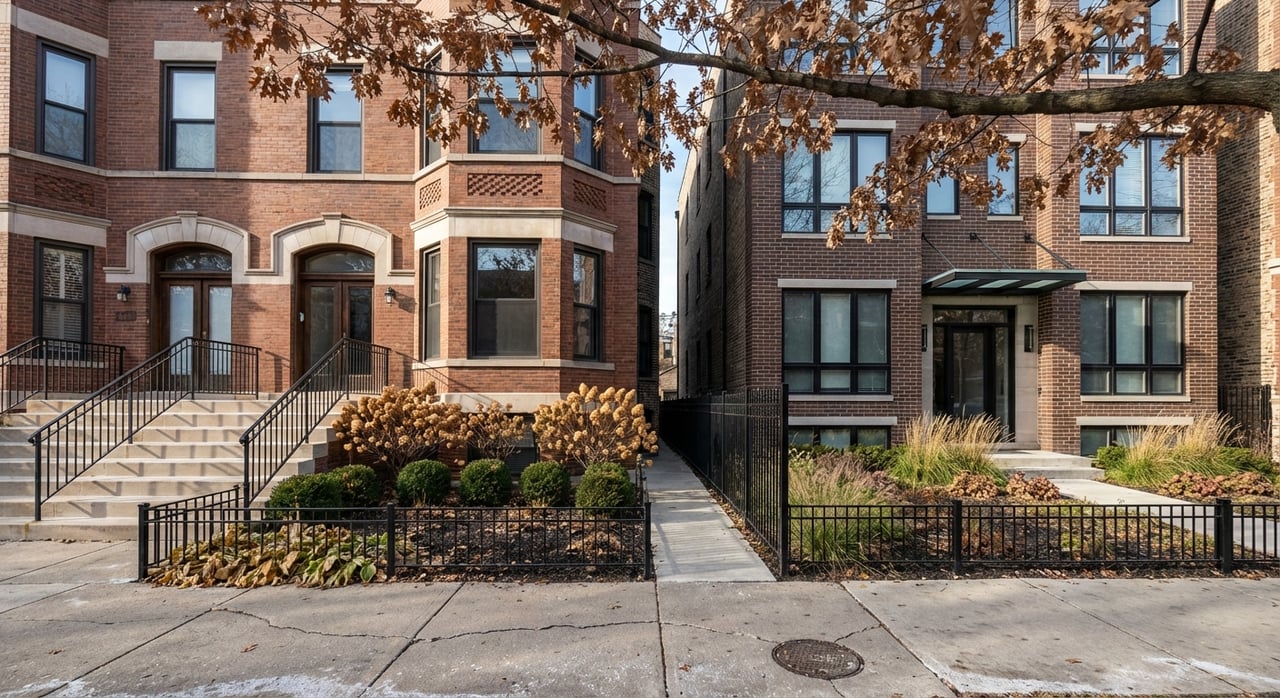
Torn between Bucktown and Wicker Park for your first Chicago condo? You are not alone. These side‑by‑side neighborhoods share great transit, lively streets, and strong resale appeal, yet they feel different on the ground. In a few minutes, you will understand how prices compare, what housing types dominate, how noise and nightlife vary, and which features matter most for long‑term value. Let’s dive in.
Bucktown vs. Wicker Park at a glance
Both neighborhoods sit on Chicago’s Near Northwest Side with easy access to the Blue Line, popular dining, and the 606 trail. They often get marketed together because walkability and amenities overlap. Still, micro‑market differences can shape your daily life and your budget.
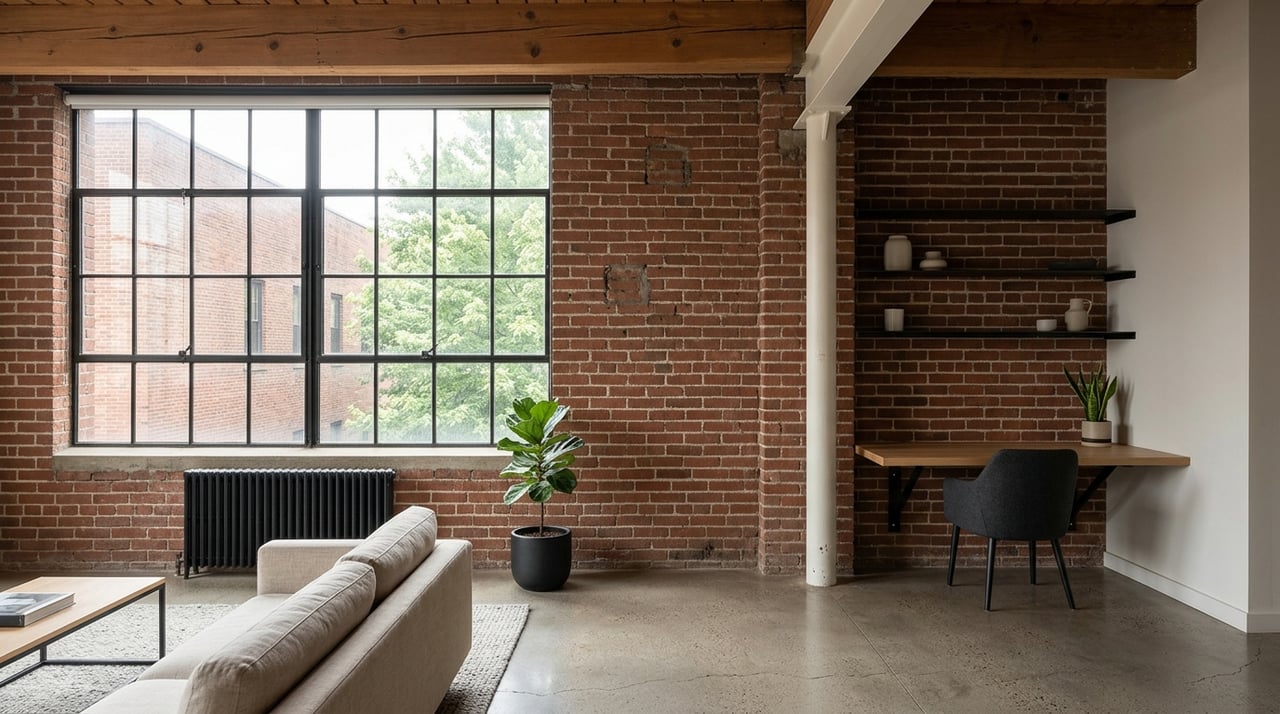
- Wicker Park leans vintage and loft-forward near the Milwaukee-Damen-Division “six corners.” You will find character finishes, exposed brick, and boutique buildings. Units can be smaller with fewer in‑building amenities.
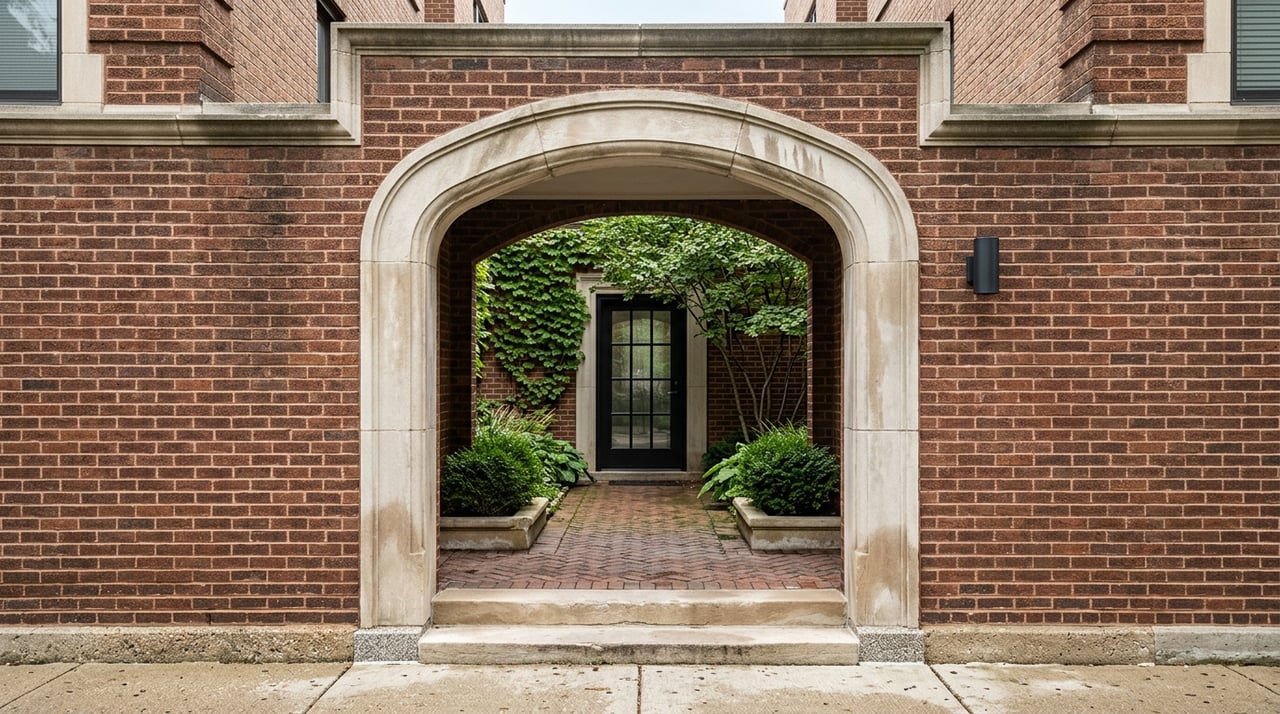
- Bucktown shows more newer infill condos, townhome-style options, and mid‑rise elevator buildings. You often get larger floor plans, garage parking, and newer systems, with the tradeoff of higher HOA fees in amenitized buildings.
Price and value: what your dollar buys
Published snapshots place both areas in a premium city band for condos. Recent ranges often show Bucktown around about 360 to 410 dollars per square foot and Wicker Park around about 370 to 430 dollars per square foot. Vendor methods vary, so treat ranges as context rather than absolutes.
Median values also differ by data provider and date. Redfin’s January 2026 snapshots reported medians near Bucktown about 725,000 dollars and Wicker Park about 799,000 dollars. Zillow’s ZHVI, which uses a different method, showed Bucktown around 618,000 dollars and Wicker Park around 673,000 dollars. Always note the vendor and timeframe when you reference a figure.
If you are targeting a true starter condo, recent 1‑bed sales across 2024 and 2025 commonly traded between about 240,000 and 395,000 dollars depending on size, finishes, parking, and building type. That entry zone is achievable if you focus on compact floor plans or select loft conversions.
Bottom line: pricing overlaps a lot. Wicker Park can ask a premium for highly walkable, character-rich pockets, while Bucktown can deliver more square footage and newer product at similar per‑square‑foot levels.
Housing stock: vintage vs. new construction
Wicker Park: character and boutique buildings
Wicker Park has a long history of brick walk‑ups, loft conversions, and smaller mid‑rises near the main retail corridors. You will see exposed brick, tall ceilings, and open layouts. Many buildings are conversions rather than large elevator towers, which often means smaller units, fewer amenities, and sometimes limited or no deeded parking.
What this means for you:
- You may find a lower HOA and a lower price tag, especially in walk‑up conversions.
- You should budget for variable building reserves and potential renovation needs. Review building documents closely before offering.
- If you need a garage space, set parking as a filter from day one.
Bucktown: newer infill and more parking
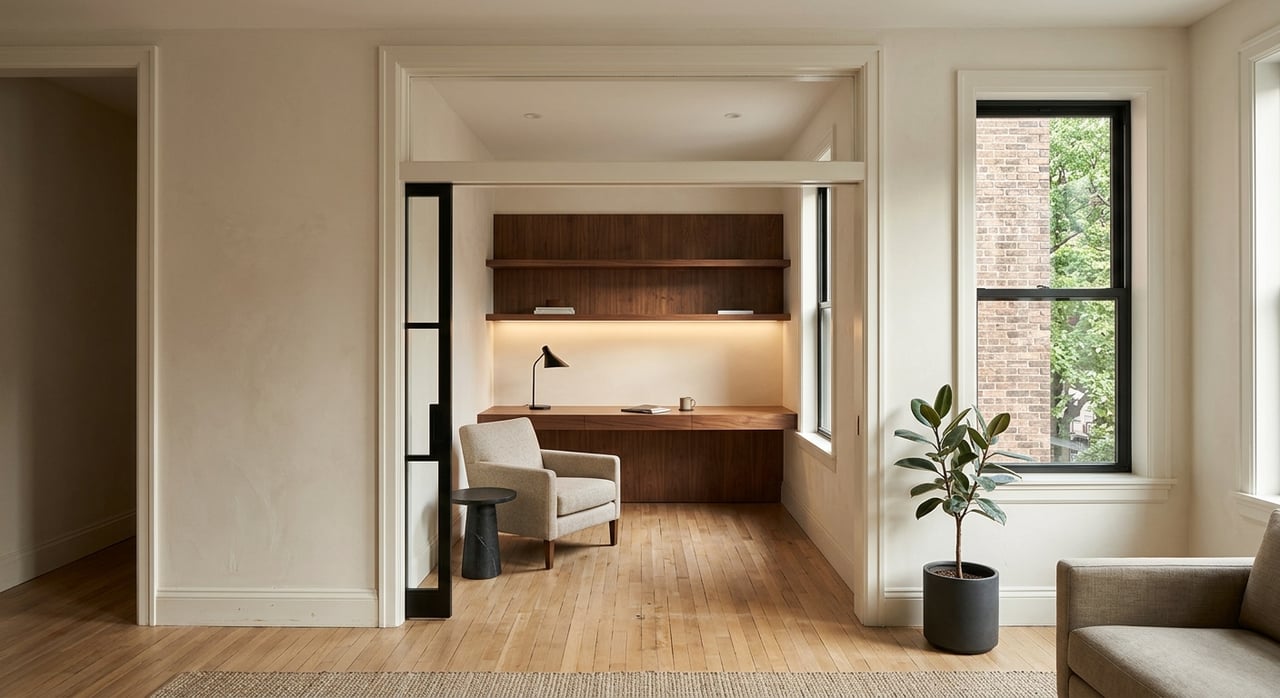
Bucktown includes more infill from the 2000s through the 2020s. That stock often brings larger floor plans, garage parking, elevators, and roof decks. The flip side is higher monthly assessments in amenitized buildings and boutique mid‑rises.
What this means for you:
- If you want turnkey systems and modern layouts, you may find more options here.
- HOA fees can be higher. Balance lower near‑term maintenance risk against your monthly budget.
- Townhome-style or fee-simple options appear more often, which can be attractive if you want fewer shared systems.
Transit, walkability, and noise
Both neighborhoods are standouts for car‑optional living. You have multiple CTA Blue Line stops, useful bus routes, and the 606 trail. The Blue Line offers 24/7 service to the Loop and O’Hare, which strengthens both livability and long‑term buyer demand. For a quick overview of stations and connections, see the neighborhood guide to getting around in Wicker Park and Bucktown, which highlights Blue Line links and the 606 amenity. Neighborhood transit and trail overview
Noise and nightlife vary by block. Wicker Park’s core near Milwaukee-Damen-Division is a popular dining and late‑night district with heavier foot traffic and more evening activity. If that scene is a must, you will love the energy. If you prefer quiet, look a few blocks off the main corridors or deeper into side streets. Wicker Park nightlife district context
For transit convenience and potential noise checks, it helps to pinpoint exact station locations and the path of the elevated tracks. A well-known landmark is the Damen Blue Line stop. Damen Blue Line station details
Pro tip for showings:
- Visit at three times: midday, a weekday evening, and a weekend night.
- Walk your actual routes to the train, groceries, gym, and favorite coffee spots.
- Stand near outdoor patios or along the tracks to gauge noise on your block.
Resale outlook: what holds value here
Positive structural drivers
- Blue Line access, strong walkability, and short commutes to downtown are consistent demand drivers.
- The 606 trail adds a measurable amenity premium in parts of the area. Academic work by DePaul’s Institute for Housing Studies found clear value effects linked to the trail, especially in certain subareas and time periods. That study focused on single‑family patterns, but the mechanism is relevant to condos: a high‑profile amenity raises demand, which supports prices. IHS study on the 606’s impact
Short to medium‑term risks to watch
- New supply in a microsegment can soften resale for look‑alike units. Keep an eye on boutique elevator buildings delivering at the same time near you. One example of nearby pipeline activity is the Triangle Square corridor along the North Branch. Triangle Square development context
- Building health matters. Weak reserves, special assessments, and deferred maintenance can drag on value. Ask for the full condo disclosure packet, board minutes, budgets, and reserve studies before you offer.
- Block-level dynamics vary. A bar patio, an alley trash area, or a busy train curve can affect buyer perception as much as a new appliance package.
How to choose: a simple plan
Start with three decisions. These will guide your search and set you up for confident negotiating.
- What matters more, character or turnkey convenience?
- If you love exposed brick, loft details, and boutique entries, Wicker Park’s vintage stock near main corridors will feel right.
- If you want an elevator, garage parking, and modern systems, Bucktown’s newer infill may be your best fit.
- Is parking essential or optional?
- If you rely on a car, prioritize listings with deeded garage parking.
- If you are car-light, you might trade parking for a lower HOA or a closer-to-transit location.
- What is your 3 to 5 year plan?
- If you may sell in a few years, target features that widen your future buyer pool: parking, outdoor space, in‑unit laundry, updated kitchens and baths, and easy access to the Blue Line.
Your quick buyer checklist
- Price context: Compare price-per-square-foot and total price in a tight radius. Note the vendor and date for any figures you reference.
- Monthly cost: Add mortgage, taxes, HOA, and parking. Compare two or three buildings side by side.
- Building review: Request budgets, reserve balances, 22.1 disclosures, board minutes, insurance, and rules about rentals or short-term use.
- Noise test: Visit at three times and stand on the sidewalk for 10 minutes. Check bedroom window exposure.
- Storage and outdoor space: Confirm you have usable storage and either a balcony, deck, or shared roof area.
- Resale features: Favor parking, in‑unit laundry, outdoor space, and a functional layout over flash-only finishes.
Touring game plan
- Map the Blue Line and the 606, then plan tours in a simple loop so you can compare blocks back to back.
- Keep a one-page scorecard: layout, light, noise, storage, parking, HOA, reserves, commute time, and gut feel.
- After touring, rank your top three and request building docs before you write an offer.
Who chooses which neighborhood?
Buying choices are personal, but common patterns emerge with first-time buyers.
- You might pick Wicker Park if you want a smaller, character-forward condo steps from dining and nightlife, and you are comfortable with a walk‑up and a lighter amenity set.
- You might pick Bucktown if you want a larger floor plan, parking, an elevator, and a quieter interior block that is still close to restaurants and the 606.
Either path can be a smart first purchase. Focus on the features you will use every day and the ones future buyers will pay for.
What to expect on timing
Active inventory in both areas often runs on the tighter side, with days on market for condos commonly measured in weeks rather than months. Pace varies by price band and condition. Well-priced, updated units near the Blue Line or the 606 can attract fast interest. If you see the right fit, be ready with financing and your building-doc checklist.
Ready to compare your top three buildings?
If you want a clear side‑by‑side of Bucktown and Wicker Park for your budget, we build a simple, buyer-friendly dashboard that shows price-per-square-foot, days on market, months of supply, and the building-level health markers that matter. You get transparent data and practical advice so your first purchase feels right on day one and on resale.
Have questions or want a neighborhood walk-through? Reach out to Chicago Home Partner to schedule a complimentary market consultation.
FAQs
Is Bucktown or Wicker Park cheaper for a first condo?
- It depends on the unit and timing. Reported medians and per‑square‑foot ranges overlap. Recent snapshots have shown Wicker Park commanding premiums for small, highly walkable lofts, while Bucktown can offer larger newer units at similar per‑square‑foot levels. Always note the vendor and date when you compare figures.
Will the Blue Line or nightlife hurt my resale?
- Transit access usually supports resale because it expands the buyer pool. Elevated tracks and nightlife can add noise on specific blocks, which some buyers avoid and others accept for walkability. Test noise in person at multiple times and weigh those tradeoffs against your daily routine.
Is deeded parking worth it for a first-time buyer?
- If you use a car, deeded parking is a strong resale feature in Chicago and a quality-of-life boost. If you rarely drive, you may prefer a lower HOA or a more central location near the Blue Line and the 606. Compare your total monthly cost with and without parking.
Are vintage walk-ups riskier than new construction?
- They can carry different risks. Vintage buildings may have lower HOAs but fewer amenities, mixed reserves, and possible renovation needs. Newer buildings tend to be more turnkey with stronger reserves and amenities but higher HOAs. Review budgets, reserves, and recent assessments for any building you consider.
How does the 606 trail affect value?
- Academic research from DePaul’s Institute for Housing Studies found measurable price effects near the 606 in certain areas and timeframes. While the study focused on single‑family homes, the takeaway applies to condos in principle. High-profile amenities can support demand and pricing. Research summary on the 606