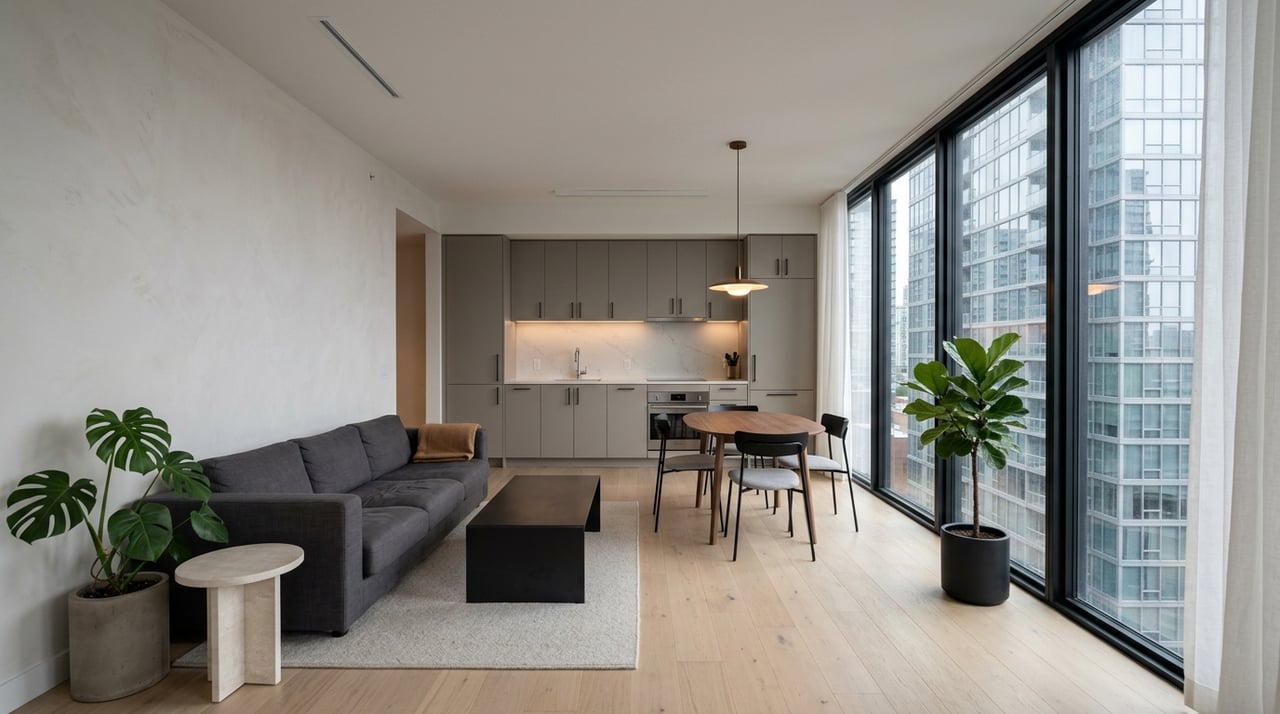
If you picture downtown Chicago as a place you only commute to, the Loop may surprise you. For many residents, a Loop high-rise condo means living in the center of it all, with transit, parks, dining, and culture woven into your daily routine. If you are wondering whether that lifestyle feels exciting, practical, or a little intense, this guide will help you understand the real day-to-day experience. Let’s dive in.
Loop condo living at a glance
Living in a Loop high-rise condo often means trading square footage for convenience. You are usually closer to train lines, public spaces, restaurants, and downtown destinations than you would be in most other parts of the city.
That convenience shapes your routine in a big way. Instead of planning your day around driving, you may find yourself walking to errands, taking the CTA, using Metra for regional trips, and spending more time outside your unit enjoying the neighborhood.
Getting around is one of the biggest perks
The Loop is one of the most transit-connected parts of Chicago. Clark/Lake serves the Blue, Brown, Green, Orange, Pink, and Purple lines, while Washington/Wabash serves the Brown, Green, Orange, Pink, and Purple lines.
That level of access can make daily commuting simpler, especially if you work downtown or travel often. Clark/Lake also includes Blue Line service toward O'Hare and Orange Line service toward Midway, which is especially useful if airport access matters to you.
It is also worth knowing that State/Lake is closed for reconstruction through 2029. If you live nearby, CTA riders are currently being routed to Clark/Lake or Washington/Wabash, so station access may feel a little different than you expect when you first start exploring the area.
Regional travel is easy too
Loop living is not only about the CTA. Union Station sits at 210 South Canal just west of the Loop, and there are five Metra stations located in and near the Loop.
For you, that can mean easier travel to the suburbs and a smoother connection to the wider Chicago region. If your life includes downtown work, suburban meetings, or regular regional trips, that flexibility can be a real advantage.
The Pedway matters in winter
One feature many newcomers do not fully appreciate at first is the Pedway. This mostly underground network connects buildings, train stations, and parking areas across more than 40 blocks and 50 public and private buildings.
In practical terms, it gives you a weather-protected way to move through parts of downtown. During winter, rain, or windy days, that can make Loop living feel much more comfortable than people assume.
The Loop feels different block by block
One of the biggest misconceptions about the Loop is that it feels the same everywhere. In reality, it is made up of smaller downtown pockets, and your experience can vary a lot depending on where your building is.
That matters when you are shopping for a condo. Two buildings with similar downtown addresses may offer very different surroundings, building styles, and day-to-day energy.
New Eastside and Lakeshore East feel more tower-oriented
On the northeast side of downtown, New Eastside has a strong residential identity. Community coverage describes it as a distinct neighborhood bounded by Randolph, Wacker, Michigan, and the lakefront, with a six-acre park at the center of its identity.
If you are drawn to newer towers, polished common areas, and an environment that feels more intentionally residential within downtown, this pocket may appeal to you. The overall texture here tends to feel more modern and high-rise focused.
Printer's Row feels more historic
Printer's Row offers a different kind of downtown experience. It is the historic Printing House Row District, where former printing and publishing buildings were later converted into commercial and residential uses.
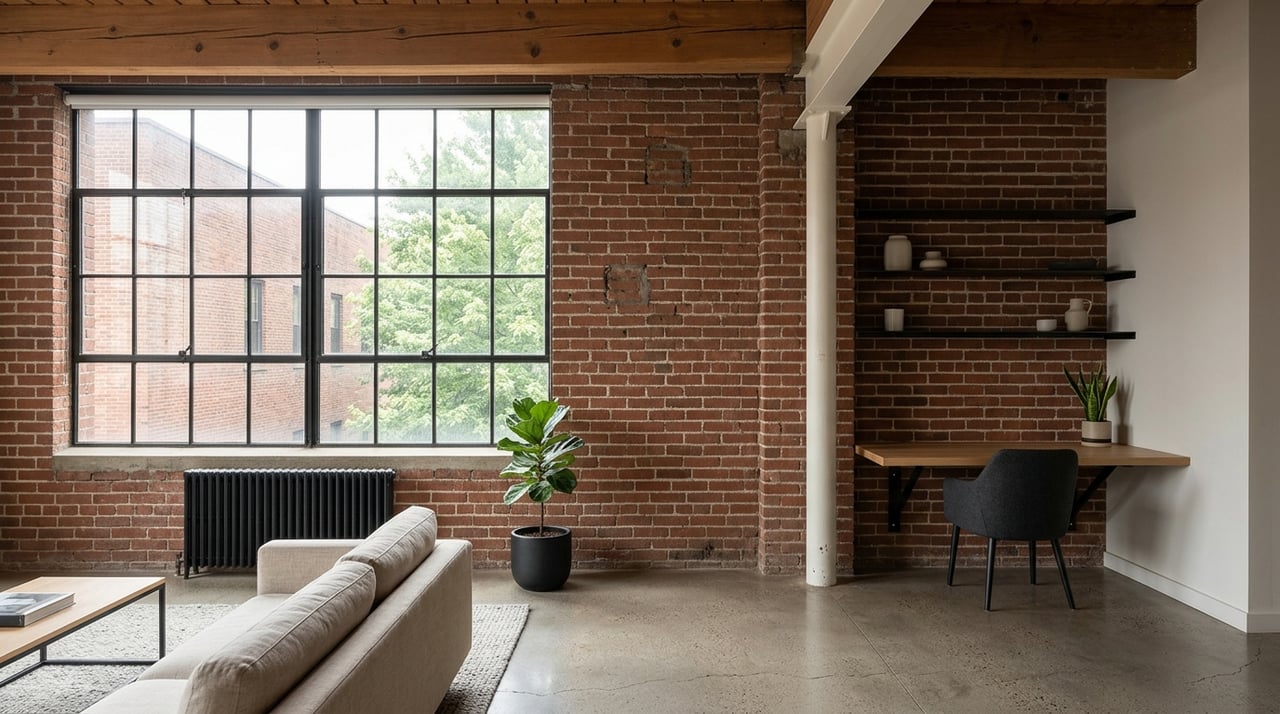
That history still shapes the feel of the area today. If you like loft-style spaces, older architecture, and a neighborhood rhythm that feels a little more distinct from the office core, Printer's Row may feel like a better fit.
What high-rise condo life usually includes
A Loop high-rise condo often comes with a smaller private living space and more shared amenities. While each building is different, many downtown towers compete by offering features that make day-to-day life easier and more enjoyable.
Examples from downtown towers include rooftop pools or decks, lounges, coworking areas, fitness centers, dog runs, and 24-hour lobby service. Even though the examples highlighted in local coverage include apartment buildings, they still reflect the amenity standard many downtown high-rises now aim to meet.
Shared amenities can expand your daily routine
If you are used to thinking only about the square footage inside a unit, high-rise living may shift that perspective. In many buildings, the amenity spaces become an extension of your home.
A fitness center can save you a separate gym trip. A lounge or coworking area can give you a change of scenery during the workday. A rooftop deck or pool can turn an ordinary weeknight into something that feels a little more special.
Car-light living is more realistic here
Because so much of downtown is close at hand, many residents find that car-light living works better in the Loop than in many other neighborhoods. Proximity to CTA stations and the Pedway can make getting around easier without relying on a car every day.
That does not mean every resident goes fully car-free. It does mean that your options are broader, and your routine may feel less tied to driving than it would elsewhere.
Parks and open space are closer than you think
A common assumption about downtown condo living is that it feels all concrete and glass. In the Loop, one of the biggest advantages is actually how quickly you can reach major public spaces and the lakefront.
That access helps balance the density of high-rise life. If you enjoy walking, running, biking, or simply stepping outside for a change of pace, the Loop offers more options than many buyers expect.
The Riverwalk adds waterfront energy
The Chicago Riverwalk is a 1.25-mile waterfront promenade with restaurants, concessions, boat rentals, public art, and performance space. For residents, it can become part of your regular routine, whether that means a morning walk, an after-work stroll, or meeting friends nearby.
This is part of what makes Loop living feel more livable beyond office hours. You are not just near downtown landmarks. You are near places people actually use for recreation and downtime.
Millennium Park and Grant Park are everyday assets
Millennium Park sits in the heart of downtown and includes Cloud Gate, Crown Fountain, Lurie Garden, the Jay Pritzker Pavilion, and free summer music and film programming. It is also easy to access from downtown transit.
Grant Park adds even more open space. Described by the city as Chicago's front yard, its 319 acres include Millennium Park, Buckingham Fountain, the Art Institute of Chicago, and the Museum Campus.
The Lakefront Trail supports real routines
The Lakefront Trail runs 18 miles along Lake Michigan, and separate bike and pedestrian paths support both recreation and commuting. If you are someone who likes to run, bike, or walk regularly, this can be one of the most practical lifestyle benefits of living downtown.
For many residents, the trail helps the Loop feel like a place to live, not just a place to work. It brings a stronger sense of balance to an otherwise dense urban setting.
Dining and culture are built into daily life
If you like having things to do without making a big plan, the Loop has a strong case for itself. The neighborhood concentrates major cultural institutions, food options, and downtown destinations within a walkable area.
That density changes how your free time feels. Dinner, errands, live performance, and a walk through the park can all fit into the same evening without much effort.
Cultural access is part of the appeal
The Chicago Theatre District is in the Loop, with Broadway in Chicago venues and the Goodman Theatre nearby. The Chicago Cultural Center serves as a free downtown cultural hub, and the Art Institute of Chicago sits just off Michigan Avenue.
If culture is part of how you enjoy city life, this kind of access can be a major draw. It gives your neighborhood a depth that goes beyond convenience alone.
Dining choices are dense and varied
Local coverage describes the Loop as having one of the most dynamic food scenes in the nation, with everything from notable restaurants to grab-and-go spots and rooftop bars. Food halls such as Sterling Food Hall and shopping hubs like Block 37 also help support everyday errands and casual plans.
For you, that may mean less planning and more spontaneity. Whether you want coffee, lunch, dinner, or a casual evening out, many options are close by.
Printer's Row adds neighborhood rhythm
Printer's Row also brings a seasonal community feel to part of the Loop. The area hosts the free, two-day Printers Row Lit Fest every September, giving this historic district a recognizable annual rhythm.
That kind of event can make downtown living feel more grounded and local. It is a reminder that the Loop is not only a business district. It is also a neighborhood where people build routines.
The tradeoffs to expect
Loop high-rise living comes with real advantages, but it is not the right fit for everyone. The biggest tradeoff is usually space.
You may have a smaller private footprint than you would in other parts of Chicago. In exchange, you get density, convenience, transit access, and a location close to parks, dining, and cultural destinations.
You should also expect a more public, event-driven atmosphere. Downtown streets can be busy, and infrastructure updates like the State/Lake closure are part of the experience of living in the center of the city.
Who this lifestyle fits best
Loop condo living often works well if you value walkability, transit, and being close to the action. If your ideal home base includes easy access to trains, lakefront paths, downtown parks, restaurants, and cultural venues, the lifestyle may feel like a strong match.
It may be especially appealing if you are comfortable with a smaller home footprint and see the city itself as part of your living space. In that case, the tradeoff can feel well worth it.
If you are exploring downtown condos and want help comparing buildings, amenities, and the feel of different pockets of the Loop, Chicago Home Partner can help you make a more confident decision with a local, data-informed perspective.
FAQs
What is daily life like in a Loop high-rise condo?
- Daily life in a Loop high-rise condo is usually fast-paced, walkable, and transit-oriented, with easy access to CTA lines, downtown parks, dining, and cultural destinations.
What transit options are available in the Chicago Loop?
- The Loop has strong CTA access through stations like Clark/Lake and Washington/Wabash, plus regional rail access through Union Station and nearby Metra stations.
What amenities do Loop high-rise buildings usually offer?
- Many downtown high-rises offer amenities such as fitness centers, rooftop decks or pools, lounges, coworking areas, dog runs, and lobby service, though features vary by building.
What outdoor spaces are near Loop condos?
- Loop residents are close to the Chicago Riverwalk, Millennium Park, Grant Park, and the 18-mile Lakefront Trail along Lake Michigan.
What is the difference between New Eastside and Printer's Row in the Loop?
- New Eastside generally feels more modern and tower-oriented, while Printer's Row is known for historic buildings, loft-like character, and a distinct neighborhood feel.
Is living in the Loop a good fit for buyers who want to drive less?
- Yes, the Loop is one of Chicago's better areas for car-light living because of its CTA access, nearby Metra stations, walkability, and the Pedway system.