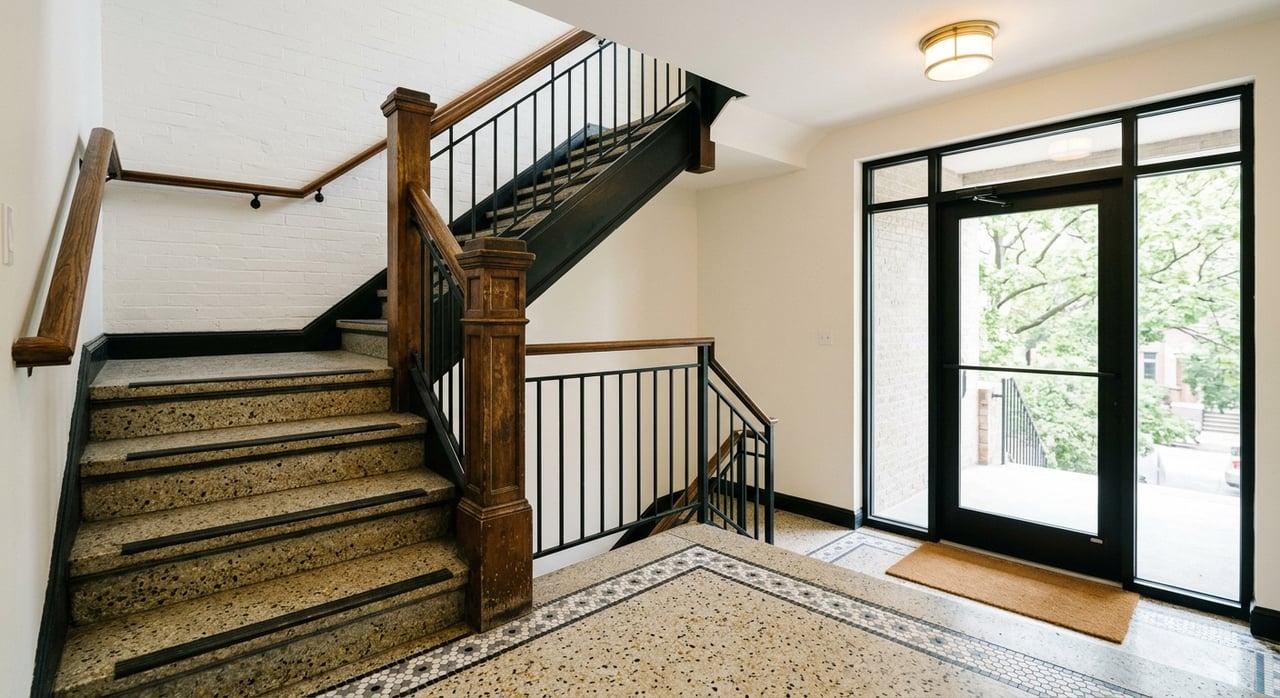
If you are torn between a sleek new condo and a charming vintage walk-up in Lakeview, you are not alone. In 60657, that choice often comes down to more than style because your monthly costs, maintenance risk, and long-term ownership experience can look very different. This guide breaks down how new construction and vintage homes compare in Lakeview so you can make a decision that fits your budget, priorities, and comfort level. Let’s dive in.
Why this choice matters in Lakeview
Lakeview is one of Chicago’s dense, high-value housing markets, and the housing mix is a big reason why. In 60657, there are 42,943 housing units, the median owner-occupied home value is $537,800, 89% of housing is in multi-unit structures, and 63% of households rent. In practical terms, that means many buyers are comparing condos in older buildings against newer infill developments within the same neighborhood.
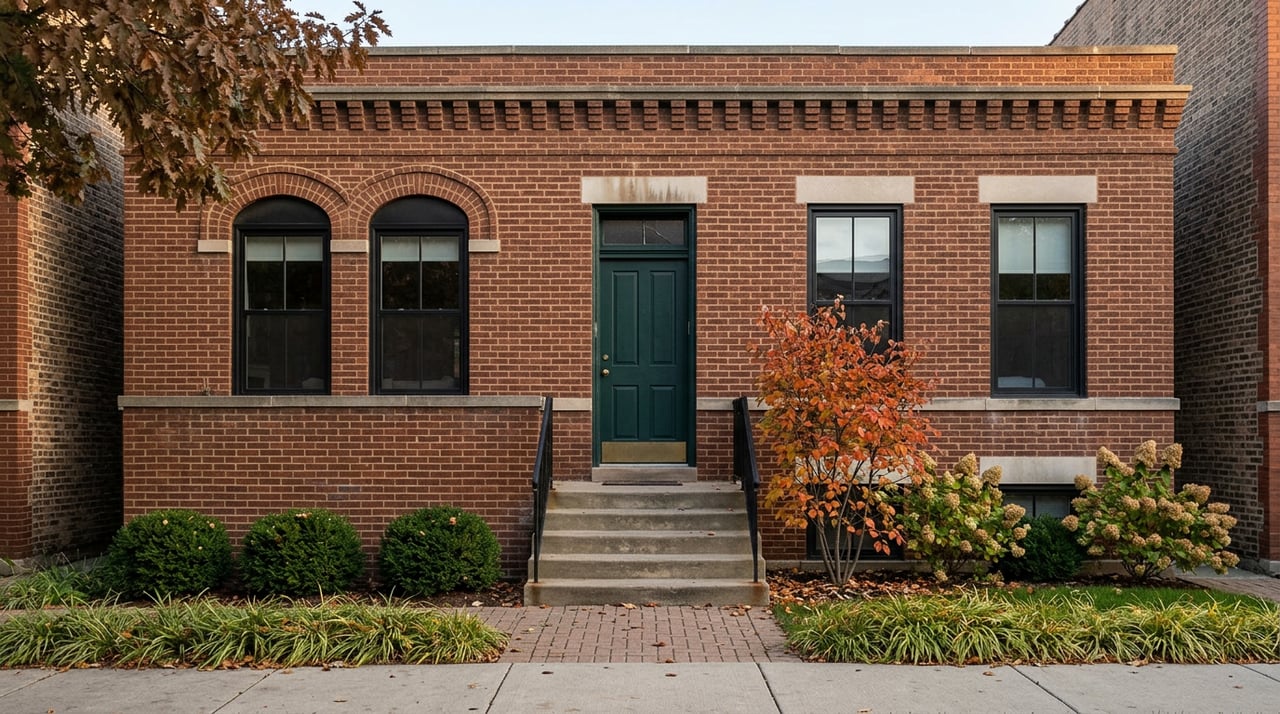
Lakeview also has a strong architectural identity. The neighborhood includes classic courtyard buildings and greystones alongside newer construction, so the decision is often about character versus convenience rather than location alone. When two homes are blocks apart, the real difference usually shows up in costs, upkeep, and the day-to-day feel of ownership.
What new construction usually offers
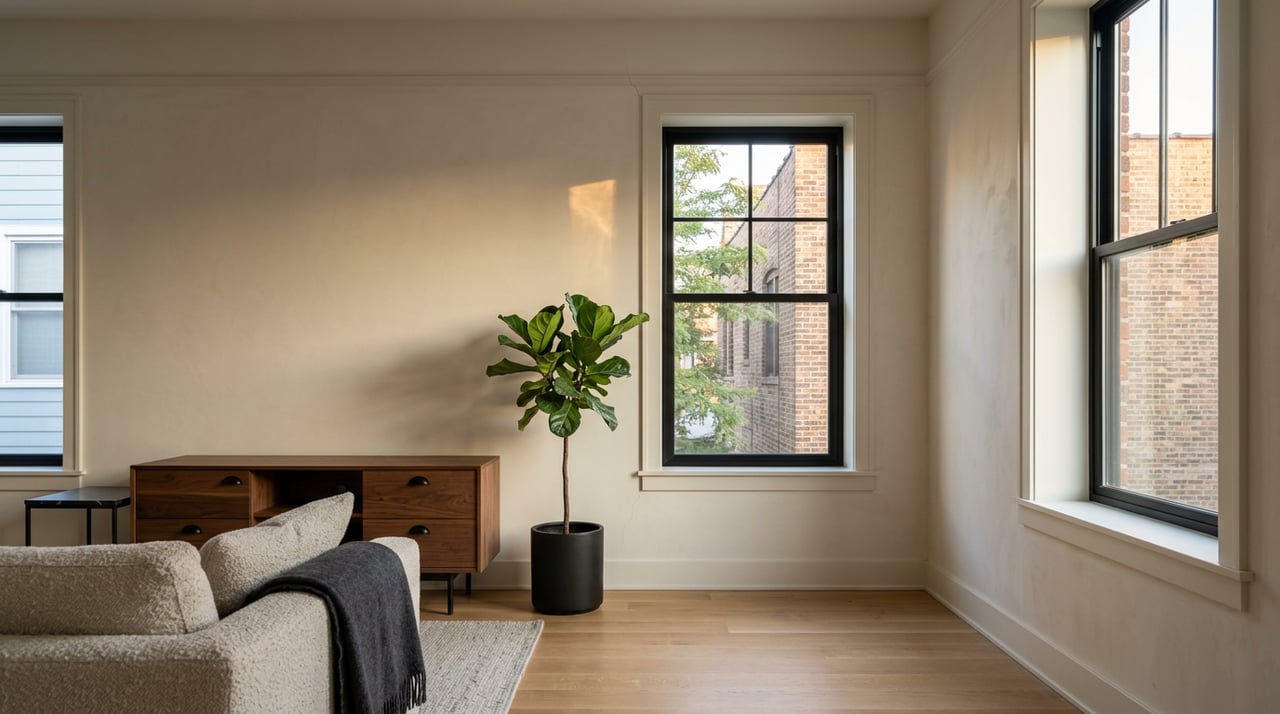
New construction often appeals to buyers who want a more turnkey experience. In many cases, you get newer systems, more current layouts, and building components designed around modern performance standards. That can mean less near-term repair stress and fewer immediate upgrade projects after closing.
Energy performance is one of the clearest advantages. ENERGY STAR notes that certified new homes use features like comprehensive air sealing, properly installed insulation, and high-performance windows, and certified homes deliver at least 10% annual utility savings. The U.S. Department of Energy also says air barriers can account for 30% or more of heating and cooling costs, which helps explain why newer homes may feel more comfortable and efficient.
That said, new construction is not automatically low-cost ownership. In a condo building, you still need to understand what your monthly assessment covers and whether the budget is realistic. A newer building may have modern finishes and systems, but buyers should still review association finances carefully.
Common benefits of new construction
- More modern layouts and finishes
- Potentially lower utility costs due to newer building practices
- Less immediate need for major repairs or updates
- A more predictable move-in experience in the short term
What vintage homes usually offer
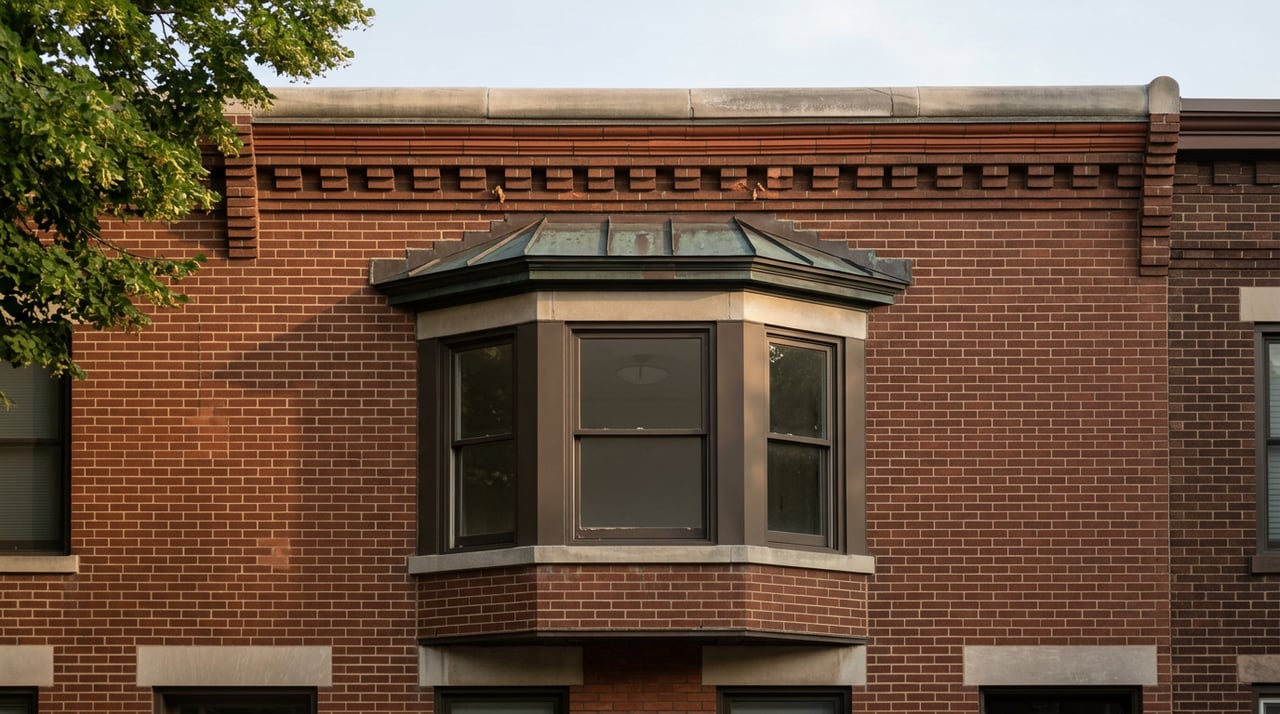
Vintage homes in Lakeview attract buyers who want architecture, texture, and a stronger sense of place. Courtyard buildings are typically walk-ups with no more than four floors, while greystones are classic limestone buildings that may be single-family homes or multi-unit flats. These building types are a big part of what gives Lakeview its recognizable streetscape.
Inside, vintage homes can offer details that are hard to replicate in new builds. Depending on the property, that may include masonry character, a more established building presence, or roomier-feeling interiors than the exterior suggests. For many buyers, that character is a major part of the appeal.
The tradeoff is that vintage ownership can come with more future capital work. The Department of Energy notes that air sealing is a cost-effective way to reduce heating and cooling costs, improve durability, and increase comfort, especially when combined with insulation. In a vintage building, that makes it smart to think not just about purchase price, but also about what work may be needed over time on the building envelope and systems.
Common benefits of vintage homes
- Distinctive Chicago architecture and original character
- Established building styles that are common in Lakeview
- Often a strong sense of neighborhood texture
- Potential opportunity to improve comfort and efficiency over time
Compare the all-in monthly cost
The best way to compare a new-construction condo and a vintage Lakeview home is to look at monthly all-in cost, not just the listing price. That means factoring in your mortgage, property taxes, HOA assessment, utilities, and a realistic allowance for deferred maintenance or future special assessments. A lower sticker price does not always mean a lower cost of ownership.
This matters even more in a neighborhood like 60657, where most housing is in multi-unit buildings. A gut-renovated vintage unit may look move-in ready, but the building itself could still face larger projects. A new-build condo may feel simpler on day one, but taxes and assessments may shift after closing.
A practical comparison lens
| Cost factor | New construction | Vintage home |
|---|---|---|
| Utilities | May be lower due to newer insulation, air sealing, and windows | May be higher if the building needs efficiency upgrades |
| Near-term repairs | Often lower in the short term | May be higher depending on age and condition |
| HOA assessment | Can still rise if the budget or reserves are lean | May reflect ongoing maintenance needs in an older building |
| Property taxes | May change after reassessment | Often easier to evaluate from established tax history |
| Character | Typically more modern | Often stronger architectural identity |
Why assessments and reserves matter
In Lakeview condos, association governance is a major part of ownership cost. Under the Illinois Condominium Property Act, condo boards must prepare annual budgets covering anticipated common expenses and reserves, including capital expenditures and deferred maintenance. The law also says unpaid common expenses can become a lien on a unit.
For buyers, the big takeaway is simple: low assessments are not always a bargain. Sometimes they reflect lean reserves instead of lower long-term costs. If a building is underfunded, owners may face higher assessments later or be asked to cover major work through a special assessment.
The same Illinois law allows boards to adopt rules after a unit-owner meeting and permits separate assessments for emergencies or legally mandated work. It also allows reserve waivers by a two-thirds vote, and that waiver must be disclosed to prospective purchasers. That is why reserve health should be a central part of your comparison, whether you are buying vintage or new construction.
What to review before you buy
Illinois resale disclosures can give you a much clearer picture of a condo association. Under Section 22.1 of the Illinois Condominium Property Act, a seller must make available key documents like the declaration, bylaws, rules and regulations, statements of liens and unpaid assessments, anticipated capital expenditures for the current or next two fiscal years, reserve fund status, and the association’s financial statements. Those documents can tell you a lot about how the building is run.
This review is especially useful when comparing new and vintage properties in Lakeview. In a vintage building, the documents can help you spot whether deferred maintenance may lead to future costs. In a new-construction building, they can help you judge whether the starting budget and reserve structure are realistic.
Questions to ask for either property type
- What is included in the monthly assessment?
- Does the building have meaningful reserves?
- Has the reserve requirement ever been waived?
- Have there been special assessments in recent years?
- Are any capital projects planned in the next two fiscal years?
- Are there any unpaid assessments or liens connected to the unit?
Watch the tax picture on new construction
Property taxes can be one of the biggest surprises in a new-construction purchase. The Cook County Assessor says residential values are updated every three years and are based on recent sales of similar homes along with property characteristics like square footage and construction type. That means the tax amount you see early on may not reflect the property’s future assessed value.
The Assessor also says the owner of a property on January 1 is liable for increased taxes tied to new construction or improvements from the occupancy-permit date or when the improvement is fit for occupancy. The owner must also file the new-construction reporting form within 30 days. For buyers, this means a newly delivered condo may see a different tax trajectory after closing than the first quoted figure suggests.
Vintage homes are not tax-proof, of course, but their established history can make taxes easier to evaluate during your search. With new construction, it is especially important to look beyond the initial estimate and ask whether the property has already been reassessed.
How to decide what fits you best
If you want a home that may reduce near-term maintenance friction and potentially lower utility costs, new construction may fit your goals. If you value architectural character and are comfortable planning for future building improvements, a vintage home may feel more rewarding. Neither option is universally better. The right choice depends on how you balance convenience, cost predictability, and the kind of living experience you want in Lakeview.
A smart decision usually comes down to matching the property with your risk tolerance. Some buyers would rather pay more upfront for newer systems and fewer immediate projects. Others are happy to trade some uncertainty for character, established building style, and the chance to buy into a classic Lakeview property.
When you compare options in 60657, focus on the full picture instead of the finish level alone. Review the budget, reserves, capital plans, assessment history, utility implications, and likely tax path. That is where the real difference between new construction and vintage ownership tends to show up.
If you want help weighing a Lakeview new build against a vintage condo or greystone, Chicago Home Partner can help you compare the numbers, ask the right due diligence questions, and choose the option that fits your goals.
FAQs
What is the biggest difference between new construction and vintage homes in Lakeview?
- The biggest difference is often total cost of ownership, including utilities, assessments, taxes, and future maintenance, rather than location or style alone.
Why do HOA reserves matter when buying a Lakeview condo?
- HOA reserves matter because low monthly assessments can sometimes mean the building is underfunded, which may increase the chance of future special assessments or higher costs later.
What documents should you review before buying a Lakeview condo?
- You should review the declaration, bylaws, rules, unpaid assessment statements, anticipated capital expenditures, reserve fund status, and association financial statements made available under Illinois condo resale disclosure rules.
How can property taxes affect a Lakeview new-construction condo?
- Property taxes on new construction can change after closing because Cook County updates values based on comparable sales and property characteristics, and newly completed improvements may trigger increased taxes.
Why can vintage homes in Lakeview cost more over time?
- Vintage homes can cost more over time if the building needs work on items like air sealing, insulation, or other major systems and building components.
How should you compare a vintage condo and a new build in 60657?
- You should compare them using an all-in monthly cost that includes mortgage payment, property taxes, HOA assessment, utilities, and a realistic allowance for deferred maintenance or future special assessments.