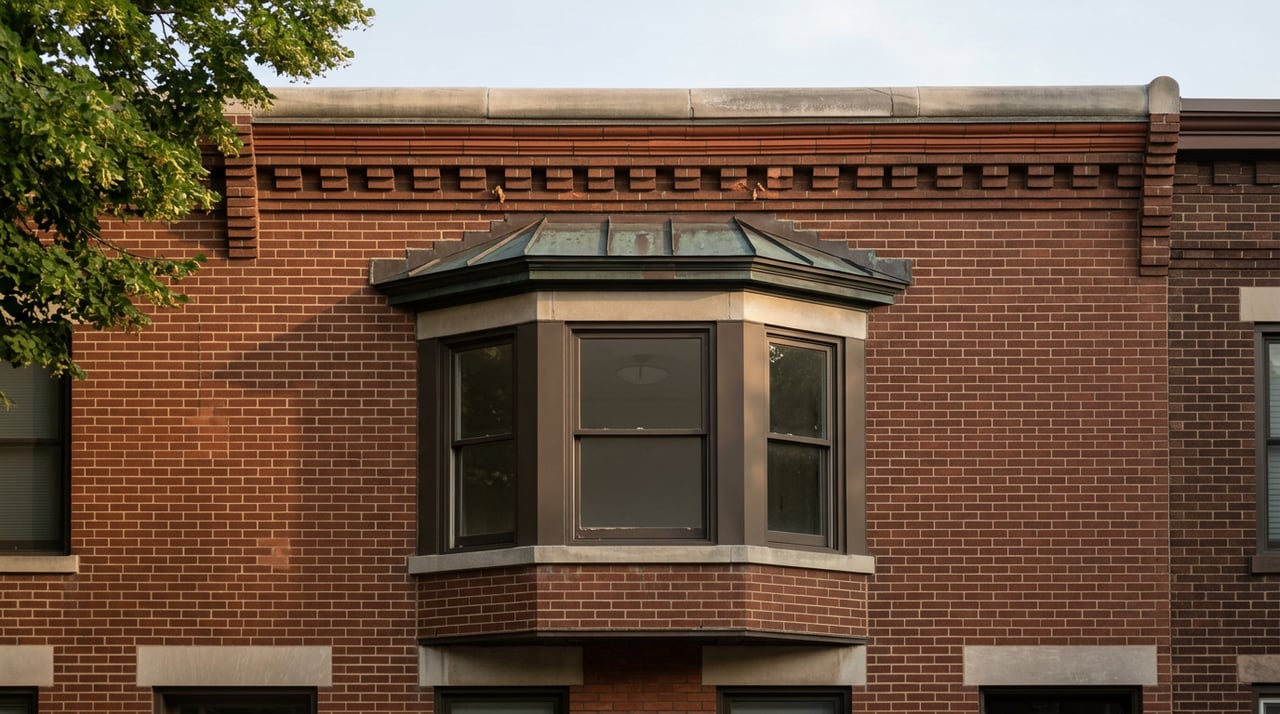
On February 18, 2026, the Chicago City Council voted to extend the Logan Square Boulevards Landmark District, pulling a new stretch of Humboldt Boulevard and a cluster of homes on Sacramento Boulevard under the same protections that have governed the district's core since 2005. If you own, or are about to buy, a house that fronts one of these boulevards, the vote changed what you can do to your building's exterior and how long it takes to get permission. Most people assume landmark status means a slow, expensive review process for anything you touch. The actual rules are narrower than that, and understanding exactly where the line falls, both geographically and in terms of what gets reviewed, is the difference between a renovation that closes on schedule and one that stalls for two months waiting on a design hearing you didn't know you needed.
The Line That Just Moved
The original Logan Square Boulevards District covers 2.5 miles of the city's boulevard system, including Logan and Kedzie Boulevards, sections of Humboldt Boulevard, and the squares themselves. The February vote extended that boundary from Humboldt Boulevard and Cortland Street down to Sacramento Avenue and Walton Street, according to Block Club Chicago's coverage of the ordinance. Much of this new stretch technically sits in Humboldt Park, not Logan Square proper. The boulevard runs along the community area border, so buyers searching strictly within "Logan Square" listings could miss that a house they're touring a few blocks west now carries the same landmark obligations.
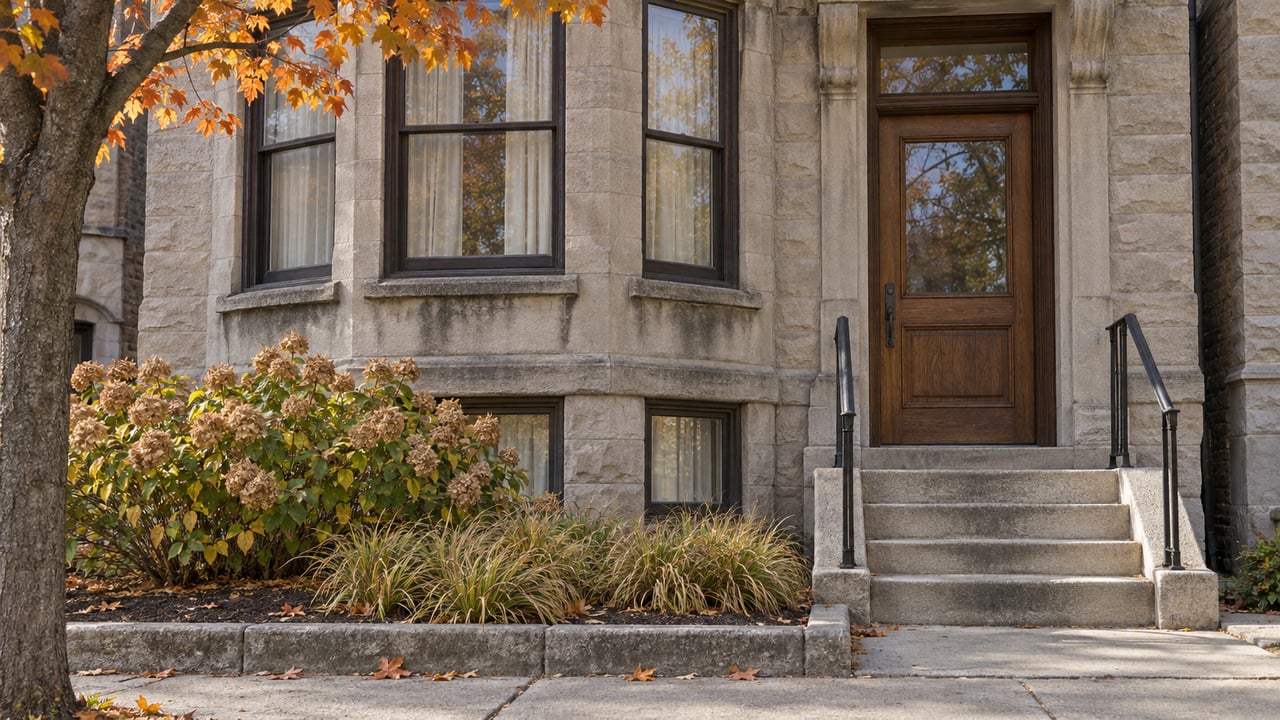
An initial survey by the 26th Ward's office found roughly 65 buildings along Humboldt Boulevard between Cortland and North Avenue, plus another 30 on the east side of Sacramento Boulevard, that now fall inside the expanded boundary. Most were built between the 1880s and 1929. One of the newly protected addresses is 1141 N. Sacramento Blvd, the former home of landscape architect Jens Jensen, known for his work redesigning Garfield, Douglas, and Humboldt Parks. Other homes in the new stretch were designed by architects Carl M. Almquist, George Dubin, and Fritz Lang.
The push took twenty years. Logan Square Preservation had tried with six different council members before Ald. Jessie Fuentes (26th) took up the issue in 2024, and the process still required a formal city survey and sign-off from homeowners along the boulevard before the Commission on Chicago Landmarks recommended the extension in November 2025 and the full council approved it three months later. According to Block Club Chicago, Logan Square Preservation president Andy Schneider called the outcome "wonderful news."
What Landmark Review Actually Touches
Here's where most people overcorrect. A landmark designation does not freeze a building. It does not typically slow down routine repairs. According to the 26th Ward, what it protects, per the significant features language written into these designation ordinances, is the exterior elevation visible from the public street, and Chicago Municipal Code Section 2-120-740 prevents demolition without review.
That means:
- Painting, minor repairs, and routine maintenance don't require a permit at all.
The trigger is change to what's visible from the street. Roof Replacement Chicago describes swapping a roof material from shingle to metal on a front-facing pitch, altering a parapet or cornice line on a boulevard-facing two-flat, or removing original slate, clay tile, or pressed-metal dormers as projects that pull a permit into full design review.
How Fast Permits Actually Move
The Commission on Chicago Landmarks folds its design review into the standard building permit process rather than running a separate track, and it reports that most permit applications for landmark properties are approved within a single day, with routine maintenance needing no permit at all. Contractors who work the boulevards regularly describe a similar split once you get into project-specific scope: a like-for-like roof repair, same material, same color, tends to clear in one to two weeks, while a project that changes roofing material or alters a parapet or cornice line can take four to eight weeks for design review.
| Type of work | Typical timeline |
|---|---|
| Routine maintenance (painting, minor repairs) | No permit required |
| Like-for-like exterior repair, matching material and color | About one to two weeks |
| Roof material change, parapet alteration, or other visible facade change | Four to eight weeks for design review |
That range matters for anyone timing a sale around a renovation, or a purchase around a project a seller started. A buyer who assumes every exterior project needs a lengthy hearing might walk away from a house that only needs a straightforward, fast-moving repair permit. A buyer who assumes the opposite, that landmark status is just a formality, could get blindsided by an 8-week wait on a roof replacement that changes materials on a boulevard-facing two-flat.
What This Actually Costs
For anyone budgeting a renovation on one of these blocks, the material choice matters as much as the landmark rules themselves. As of 2026, Logan Square two-flat owners are typically paying between $14,000 and $22,000 for a TPO flat-roof replacement, while single-family greystone owners are paying $16,000 to $22,000 for architectural shingle roofs, figures that already reflect the roughly 12 percent pricing premium common across ZIP code 60647 compared to standard-zone Chicago pricing. On top of material and labor, expect a city permit fee in the $165 to $550 range, and if the decking beneath an older roof turns out to be rotted from decades of freeze-thaw cycling, which is common on 1890s and 1920s buildings, budget extra for plywood replacement.
None of that cost is driven by the landmark review itself. It's driven by working on a 100-plus-year-old structure. The landmark process adds time when you change materials, not necessarily money, which is a distinction worth making clear to anyone assuming "historic district" is shorthand for "expensive."
Logan Square Market Context
As of June 2026, Logan Square's housing market carried a competitive score of 82 out of 100, with homes going pending in an average of 36 days and selling for roughly 5 percent above list price, with the most competitive listings selling around 11 percent over asking in as few as 24 days. The average single-family house price in the neighborhood was $690,000 that same month, down 5.8 percent from a year earlier. Those neighborhood figures don't show how the newly protected homes in Humboldt Park are trading.
Studies cited by the city's own landmarks program have found that designation generally does not depress property values and can enhance them, and many listings in these districts highlight landmark status as a selling point rather than burying it in disclosures. For a buyer weighing a greystone on Humboldt Boulevard against a comparable house a few blocks off the boulevard, that's useful context, not a prediction of what either house will sell for.
Before You Write an Offer or Call a Contractor
- Confirm whether the specific address, not just the general block, falls inside the expanded boundary. Boundaries follow specific street segments, and a house on a cross street just off the boulevard may or may not be a contributing structure.
- Ask the seller for permit history on any exterior work done in the last several years, especially roofing, windows, or porch repairs.
- If you're planning a renovation that touches the front facade, roofline, or a boulevard-facing elevation, get a contractor who has worked inside a Chicago landmark district before and can flag review requirements at the estimate stage rather than after work starts.
- Separate your renovation timeline into what's routine (skip the permit conversation) versus what changes materials or profile (build in a 4 to 8 week buffer).
A Few Questions Worth Settling Early
Does landmark status apply to the whole house, or just the side facing the street? The designation ordinance identifies the significant features subject to review.
What if my house sits on a cross street rather than directly on Humboldt or Sacramento? Check the specific block against the ordinance rather than assuming based on the street name alone.
If you're looking at a property on Logan Square's boulevards, or trying to figure out what a landmark designation actually means for a house you already own, Chicago Home Partner can walk through the specific address with you and pull the permit history before you're deep into a renovation budget. Schedule a complimentary market consultation and we'll help you sort out what's routine, what needs review, and what it means for your timeline either way.
This article is general information, not legal, tax or financial advice. Consult a qualified professional about your situation.