Living near Wrigley Field can sound like a dream or a dealbreaker, depending on what you picture when you hear "ballpark living." If you are thinking about a move to Lakeview’s 60657 area, you probably want a more honest answer than just "fun" or "busy." The reality is that everyday life near Wrigley Field is full of convenience, energy, and neighborhood character, with a few tradeoffs that matter more on some blocks than others. Let’s take a closer look.
What Life Near Wrigley Feels Like
If you live near Wrigley Field, your day-to-day experience is shaped by more than baseball. According to Choose Chicago’s Wrigleyville neighborhood guide, the area is known for sports bars, restaurants, entertainment, and easy access to the broader Lakeview neighborhood. Lakeview East also includes Wrigleyville as part of its wider mix of shopping, dining, nightlife, and lakefront amenities.
That means you are not moving into a one-note stadium district. You are moving into a neighborhood where the feel can shift quickly from a lively commercial corridor to a quieter residential street. For many buyers and renters, that blend is exactly what makes this part of Lakeview so appealing.
Event Days Shape the Rhythm
One of the biggest things to understand is that life near Wrigley is event-driven. The Cubs’ Wrigley Field neighbors page outlines neighborhood protection efforts focused on parking, traffic, public safety, and litter, and it also notes extended hours tied to home night games and weekend concerts.
In practical terms, that means some days feel like any other city day, while others bring a noticeable jump in foot traffic, rideshare activity, and noise. If you are considering a home close to the stadium, it helps to think less in terms of “Is this area busy?” and more in terms of “How close am I to the event core?”
Transit Is a Major Advantage
For many residents, the biggest upside of living near Wrigley Field is how easy it is to get around without a car. The CTA’s sports and Wrigley Field transit guide notes that the Red Line’s Addison stop sits just a half block from the ballpark, while Sheridan is a couple of blocks north. Nearby bus options include the #22 Clark, #152 Addison, and #8 Halsted.
That kind of transit access can make daily life much easier, whether you are commuting, meeting friends, or heading downtown. It also means you can enjoy the area’s restaurants, retail streets, and lakefront amenities without needing to plan every trip around parking.
Parking Is the Biggest Tradeoff
The clearest livability compromise near Wrigley is parking. The Cubs strongly encourage public transit for events, and their rideshare and transportation information shows just how concentrated traffic becomes on event days, especially around Addison, Broadway, Halsted, Clark, Irving Park, and Seminary.
There is also a neighborhood parking pass program for certain residents, but it is limited in scope and comes with event-day restrictions. According to the Cubs, permitted vehicles must be removed by 9 a.m. on event mornings and can return two hours after the event ends. If you rely on a car every day, that is an important detail to weigh carefully.
Block-by-Block Differences Matter
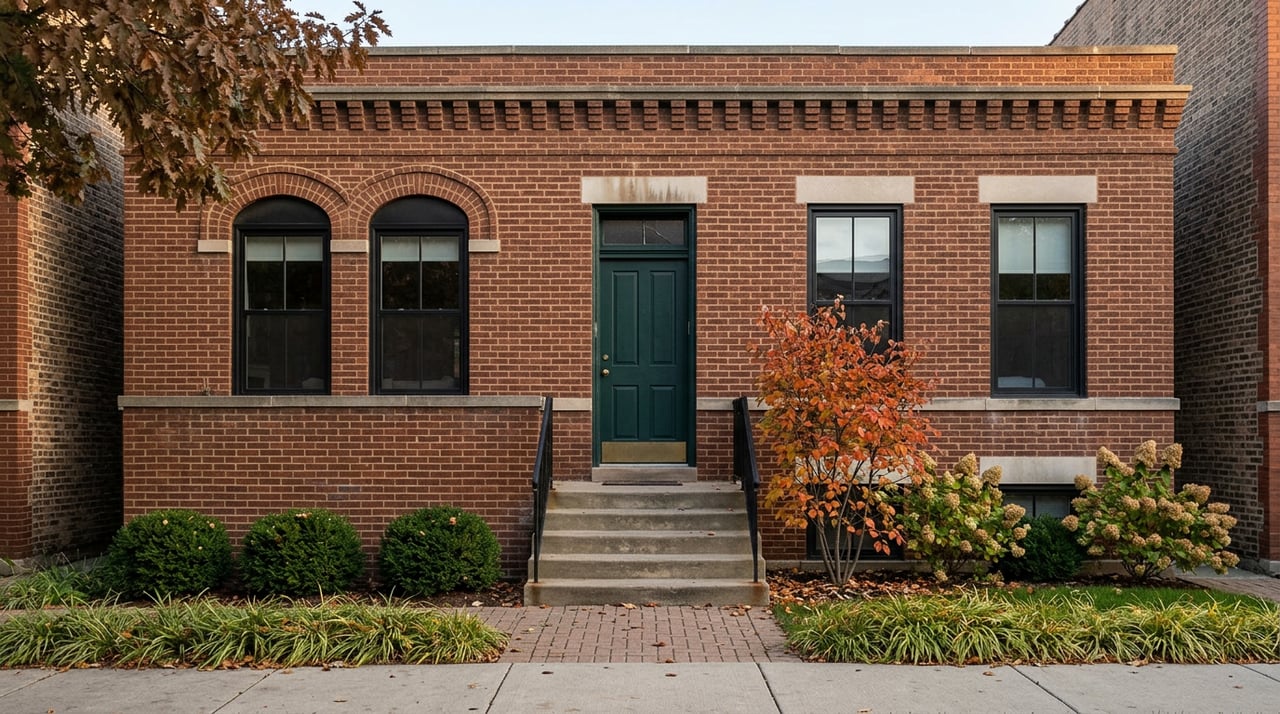
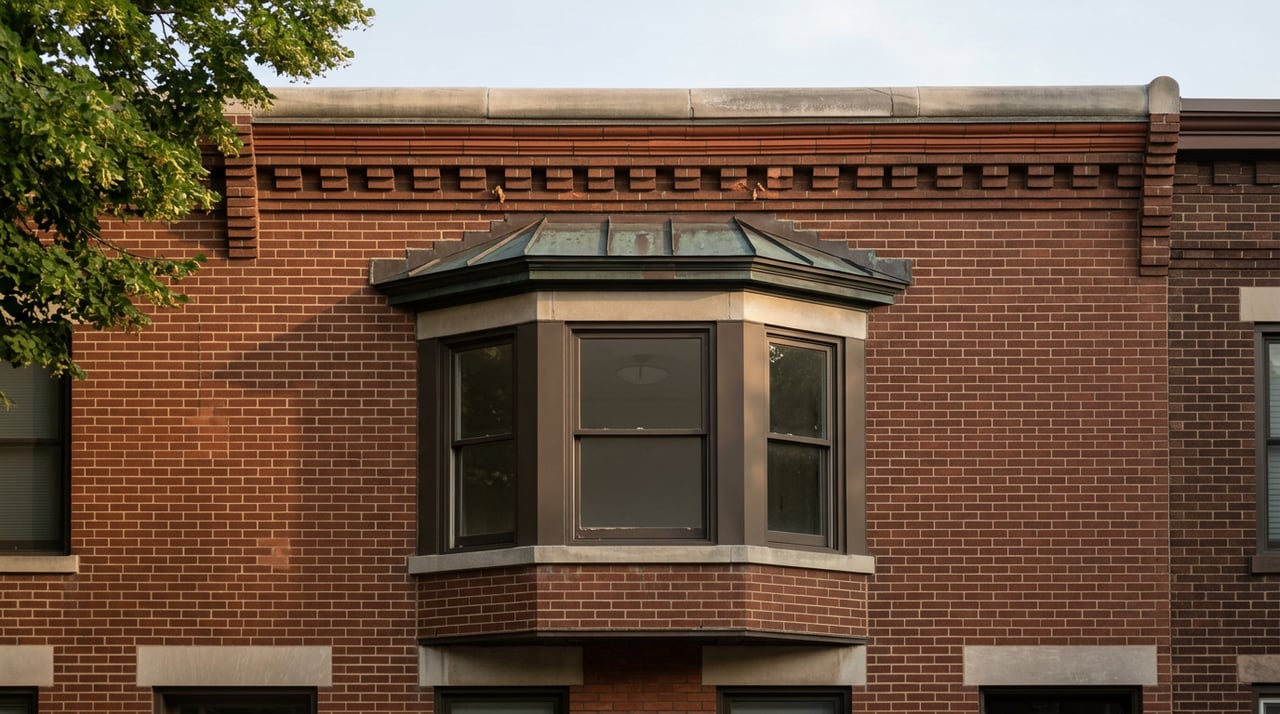
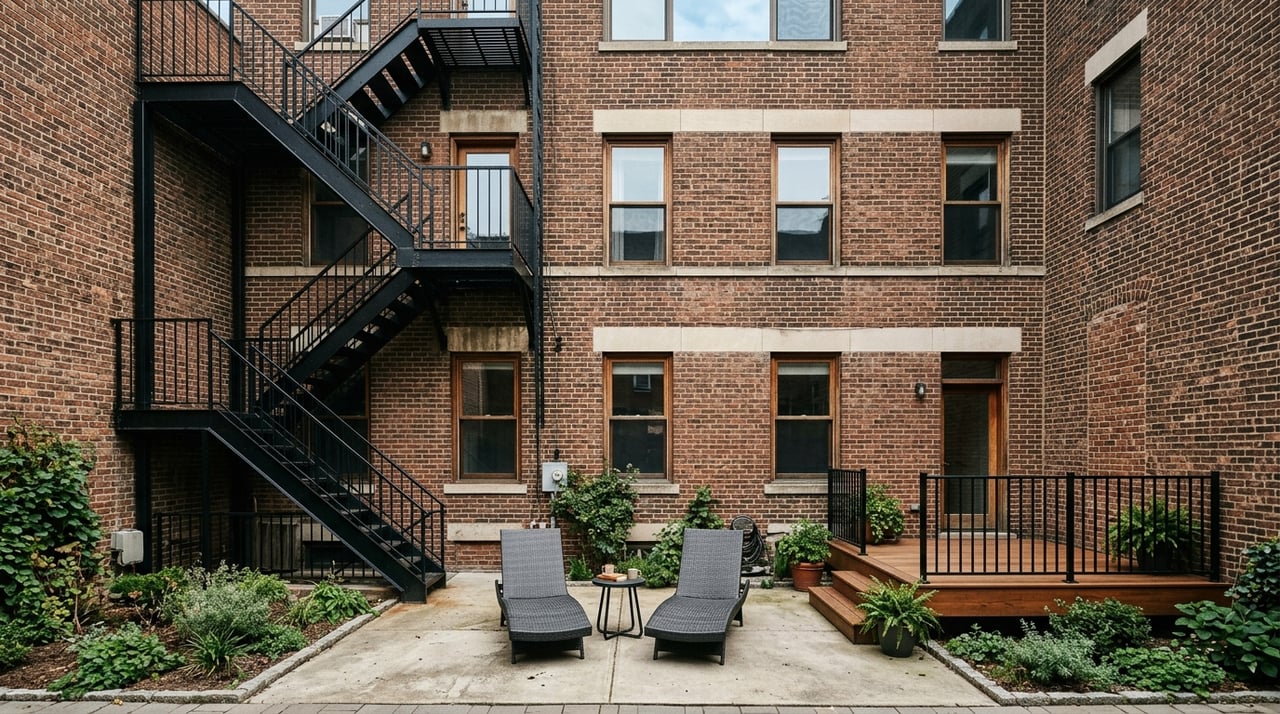
One of the most important things to know about Lakeview near Wrigley is that it is not all the same. The Lakeview East live in Lakeview guide describes housing options that range from modern apartments to vintage buildings, which supports what many buyers notice in person: the housing stock and overall feel can change fast from one street to the next.
In broad terms, Clark Street tends to feel the most active because of its concentration of bars and restaurants. Broadway and Belmont often read more like neighborhood shopping and service corridors. Closer to the lakefront, the environment shifts again, with easier access to open space, trails, and harbor areas.
The Lakefront Adds Balance
One reason this part of Lakeview works for so many people is that the area is not only about nightlife and events. Lakeview East highlights local access to the Lakefront Trail and Belmont Harbor, which gives residents a very different kind of daily routine just a short distance from the stadium.
If you like morning runs, dog walks, bike rides, or simply having green and blue space nearby, that lakefront access can make a big difference. It adds a calmer outdoor edge to a neighborhood that might otherwise feel defined only by game-day energy.
Parks Create More Residential Pockets
Pocket parks also help soften the pace of life near Wrigley. The Chicago Park District identifies several nearby options, including Margaret Donahue Park, Kelly Park, South Lakeview Park, and Gill Park.
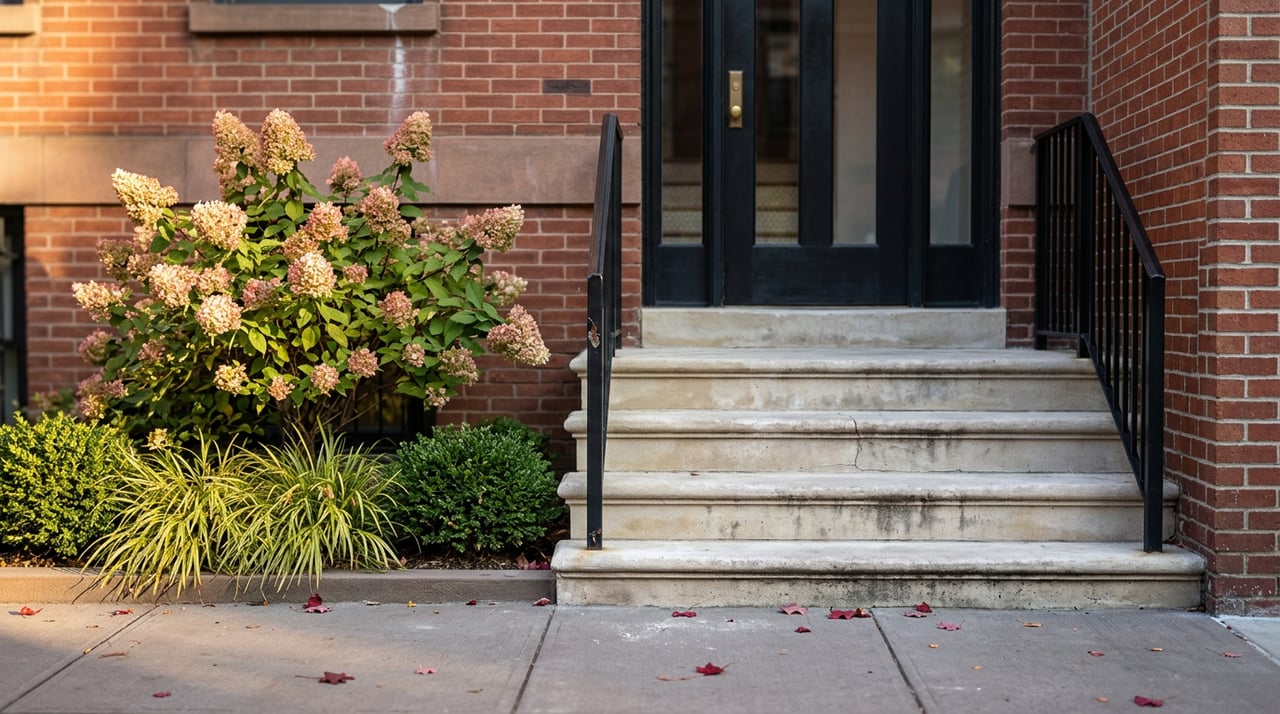
These smaller park spaces matter more than many buyers expect. They can make nearby blocks feel more residential and give you places to reset away from the busiest corridors. If you work from home, have pets, or simply want a little more breathing room, homes near these parks may feel more comfortable than properties right by the stadium core.
Housing Options in 60657
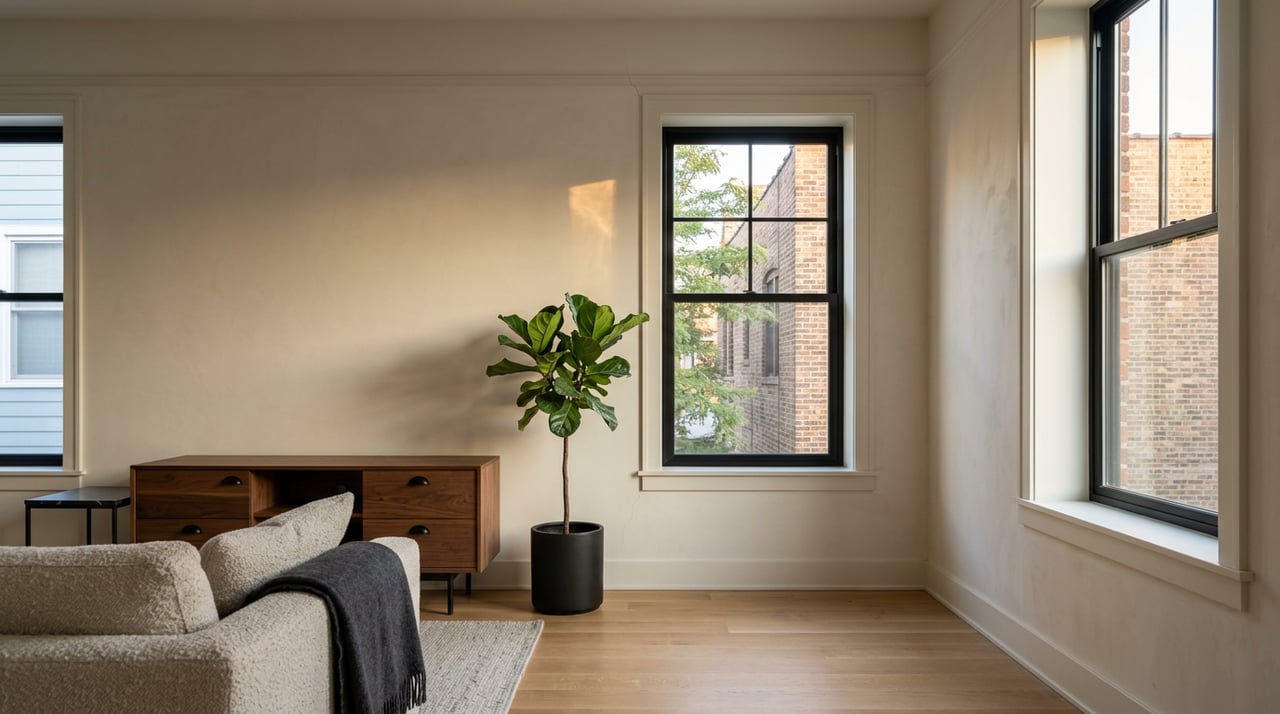
Housing in this part of 60657 tends to include a mix of condos, apartments, and vintage buildings, along with more contemporary options. That variety can be a real advantage because it gives you more ways to match your budget and lifestyle with the right micro-location.
The bigger point is that your experience here will depend heavily on the building and the block. Two homes that are both labeled "near Wrigley Field" can offer very different day-to-day living depending on their distance from Clark and Addison, their access to parks, and how directly they sit in the path of event traffic.
What About Short-Term Rentals?
If you are worried that nearby homes are constantly turning into short-term rentals, Chicago’s rules are more structured than many people assume. Under the city’s shared housing and vacation rental code, short-term rentals must meet registration, licensing, and building-type requirements.
That means short-term rental activity is not a free-for-all neighborhood condition. Whether a building can have shared housing or vacation rental use depends on the property type, host status, and local rules. For buyers, that is an important reminder to evaluate each building on its own terms rather than assuming the entire area functions the same way.
Who Usually Likes Living Here?
This part of Lakeview often works well for people who want to stay connected to the city without giving up neighborhood convenience. If you value walkability, transit access, dining options, entertainment, and quick lakefront access, living near Wrigley can check a lot of boxes.
It can also be a fit if you are comfortable with a little unpredictability on event days. On the other hand, if you want quiet streets at all times, easy daily parking, and minimal crowd activity, your best fit may be on blocks farther from the stadium or closer to park space and the lakefront.
How to Evaluate a Home Near Wrigley
When you tour homes in this part of 60657, it helps to look beyond the unit itself. Pay close attention to the block, nearby commercial corridors, park access, and how the location lines up with event-day routes.
A few smart questions to ask include:
- How close is the home to Addison, Clark, or major rideshare corridors?
- Is there easy access to the Red Line or nearby bus routes?
- Does the building have parking, and how would event days affect it?
- Are there nearby parks or lakefront routes that change the feel of the area?
- Does the block feel more residential or more connected to nightlife activity?
Those details often matter just as much as square footage or finishes when you are deciding whether this neighborhood fits your routine.
The Bottom Line on Everyday Life
Everyday life near Wrigley Field is best understood as a balance. You get excellent transit, strong walkability, active retail and dining streets, and easy access to the lakefront, but you also need to be realistic about event-day traffic, parking friction, and changing noise levels near the stadium.
For the right buyer or renter, that tradeoff feels more like a lifestyle upgrade than a compromise. If you want help comparing blocks, buildings, and livability factors in Lakeview, Chicago Home Partner can help you make a clear, neighborhood-informed decision.
FAQs
What is everyday life like near Wrigley Field in Lakeview?
- Everyday life near Wrigley Field is a mix of walkability, restaurants, nightlife, transit convenience, and lakefront access, with event days bringing more traffic, noise, and foot activity.
Is living near Wrigley Field good for commuting in Chicago?
- Yes. The area has strong CTA access, including the Red Line at Addison, nearby Sheridan access, and bus routes like the #22 Clark, #152 Addison, and #8 Halsted.
Is parking difficult near Wrigley Field in 60657?
- Parking can be one of the biggest challenges near Wrigley, especially on game days and concert days when restrictions, traffic, and rideshare activity increase.
Are there quieter areas near Wrigley Field in Lakeview?
- Yes. Blocks closer to pocket parks or farther from the stadium’s busiest corridors often feel more residential than streets closest to Clark and Addison.
Are short-term rentals common near Wrigley Field?
- Short-term rentals are regulated by Chicago code, so whether they are allowed depends on the building type, host status, and local rules rather than being a neighborhood-wide default.